A bigger budget doesn’t automatically make a room look better, and honestly, it took me a while to believe that, because more money just feels like it should work. Two rooms can cost almost the same and still land completely differently, and most of the time it has nothing to do with taste, just where the money went.
Where Luxury Home Decor Spending Usually Goes Wrong
Give someone a bigger budget and the instinct kicks in fast: upgrade everything at once. Nicer pulls on the cabinets, a nicer fixture over the table, better tile, better countertops, one category after another until the whole list is checked off. None of that is a bad call on its own; nicer tile is still just nicer tile.
Except once every single piece in a room gets the same amount of care, nothing pulls ahead anymore. There’s no hierarchy left for the eye to follow, so it drifts, and a room that drifts doesn’t feel expensive. It feels busy, and that’s a different thing entirely.
Rooms need somewhere to land. A focal point the eye goes to first without being told to, and honestly that’s a big chunk of what people are reacting to when they walk into a space and call it luxurious, even if they couldn’t explain why in the moment if you asked them.
Spend the same amount on everything, and what you usually get back is competence: fine, solid, nothing wrong with it exactly, but nothing pulling you in either. Spend unevenly instead: weight the budget toward the two or three things that actually carry the room, let the rest sit a bit more modestly, and something shifts. Stops looking finished. Starts looking chosen.
What Real Luxury Home Decor Actually Prioritises
Lighting first, and this one gets skipped constantly.
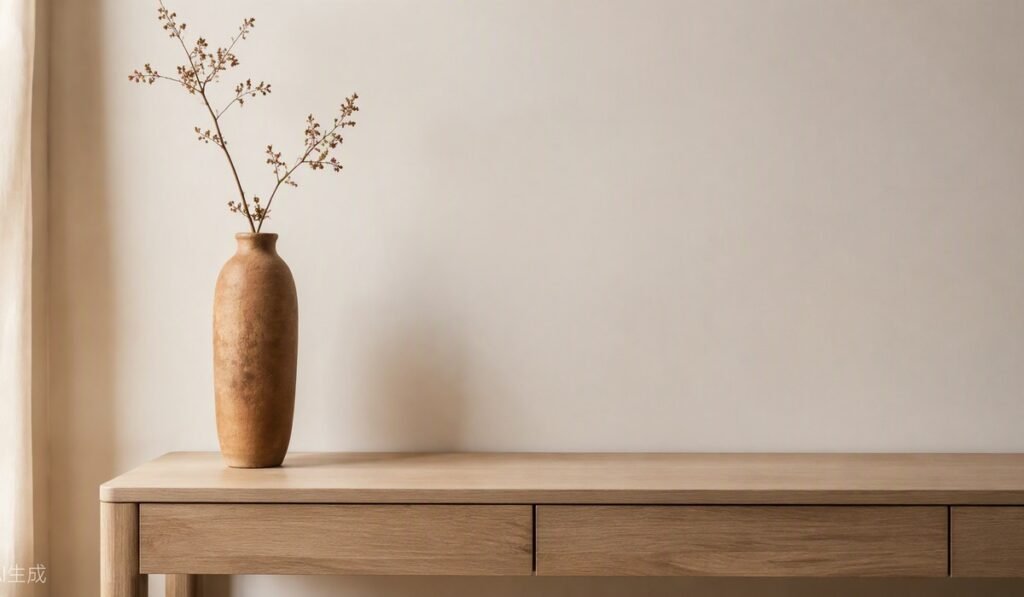
A dining or living space with one genuinely strong fixture will outperform a room full of expensive furniture sitting under flat, forgettable light, every time, and mostly it gets skipped because a light fixture doesn’t feel like the “main” purchase the way a sofa does.
Then one anchor piece of furniture. The sofa in a living room, the table in a dining room, whatever the space actually revolves around. Put the bigger share of the budget there and let everything around it, chairs, side tables, the smaller pieces, sit a little more modestly. Nobody notices the chairs first, not really.
And hardware. Cheapest of the three, and the one people ignore the most for some reason. Cabinet pulls, door handles, faucet fixtures, touched every single day, noticed every single day, mostly without anyone realising why. Builder-grade hardware can make an otherwise good room feel unfinished, and it’s such a small fix that skipping it is almost a waste, honestly.
More than chasing a particular brand of premium home accessories for the label alone, these three carry the room.
Underspending On Purpose
Underspending feels wrong at first, because it reads like settling. It isn’t, if it’s a decision and not a compromise.
- Decorative filler bought only to finish off a shelf, usually better left empty
- Matching sets, a coordinated trio of vases, a matched pair of lamps, tend to look staged rather than gathered. The same over-collecting mistake that turns antique corners into clutter.
- Trend pieces bought right at the peak of a trend, which date the fastest once that trend passes.
- Anything picked purely because a space “needed something,” not because you actually wanted it there.
None of that is about cutting corners. More about noticing where attention naturally lands and putting the money there instead of spreading it evenly across everything.
Why the Even Spread Feels Safer
Leaving a wall bare or a shelf half full feels wasteful once real money has already gone into a room, and there’s a pull to use the whole budget up and call it finished.
But finished and luxurious aren’t the same thing, not even close. Some of the best rooms leave something plain on purpose. Empty counter space.
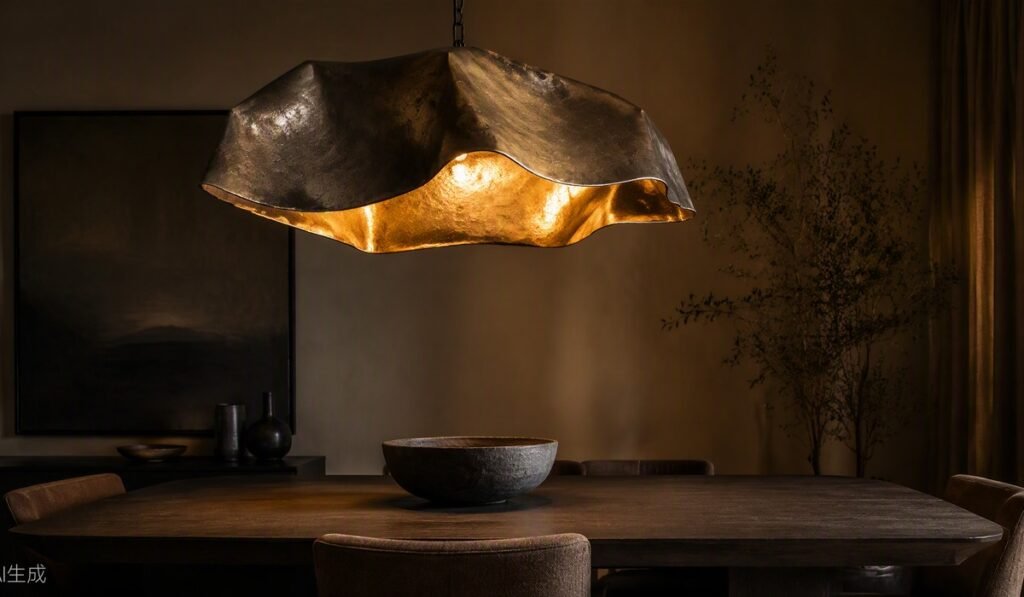
A bare section of shelf. One corner left alone. That restraint does more for a room than another item usually would, and it’s the quiet mechanism behind most elevated home styling that actually holds up over time instead of looking dated in two years.
So Where Does That Leave You
A bigger number isn’t the problem, and nobody’s saying a smaller budget is somehow more virtuous; that’s not it either. It comes down to something narrower. Which two or three things get most of the budget, and what stays simple everywhere else.
If you’re building this room by room rather than all at once, that’s really what home decor ideas DIY comes down to —Luxury living room decor that reads as intentional versus a room that just cost a lot, that’s the actual gap. Spending more doesn’t ask anything of you. Restraint does, and most people skip it without even noticing.
Would spending more always make a room look better, though? Honestly no, and that surprises people more than it should. A room can cost double another and still look less put together because the money is spread thin across everything instead of piling up where it actually matters.
So what gets the biggest share then? Lighting, one strong anchor piece, hardware, roughly in that order for most people, and these three carry more visual weight than people give them credit for, which is also why they’re the three most commonly underspent on.
Can you leave a shelf or a wall empty? Yeah, and most of the time that’s the right move. Empty isn’t the same as unfinished. A bare section of counter or one plain corner often does more than filling it with one more decorative object ever would.
Matching sets, though why do those sometimes look cheaper than they should? Because they read as staged instead of gathered, that’s really it. Three matching vases or a paired set of lamps feels like it got bought as a set rather than found piece by piece over time, and people clock that even when they can’t say why.
One way to check your own room, actually. See if you can say which single object the eye lands on first. If you can’t, that’s usually the tell. Rooms with an anchor rarely have that problem.