For a long time, I thought expensive home decor was just a spending problem. Buy the big sofa. Hang a chandelier. Hope the room suddenly looks like it belongs in a magazine.
It doesn’t work that way.
I’ve sat in rooms where someone clearly spent a fortune on custom pieces, imported stone, and lighting that cost more than a car, and the space still felt empty. Cold. Like a showroom after closing.
Then I’ve walked into small rented flats with mixed, second-hand furniture that somehow felt rich. Warm. Like someone had actually thought about the room instead of just filling it.
The difference was never the total spend. It was knowing what expensive home decor actually depends on.
What Makes Expensive Home Decor Look Expensive
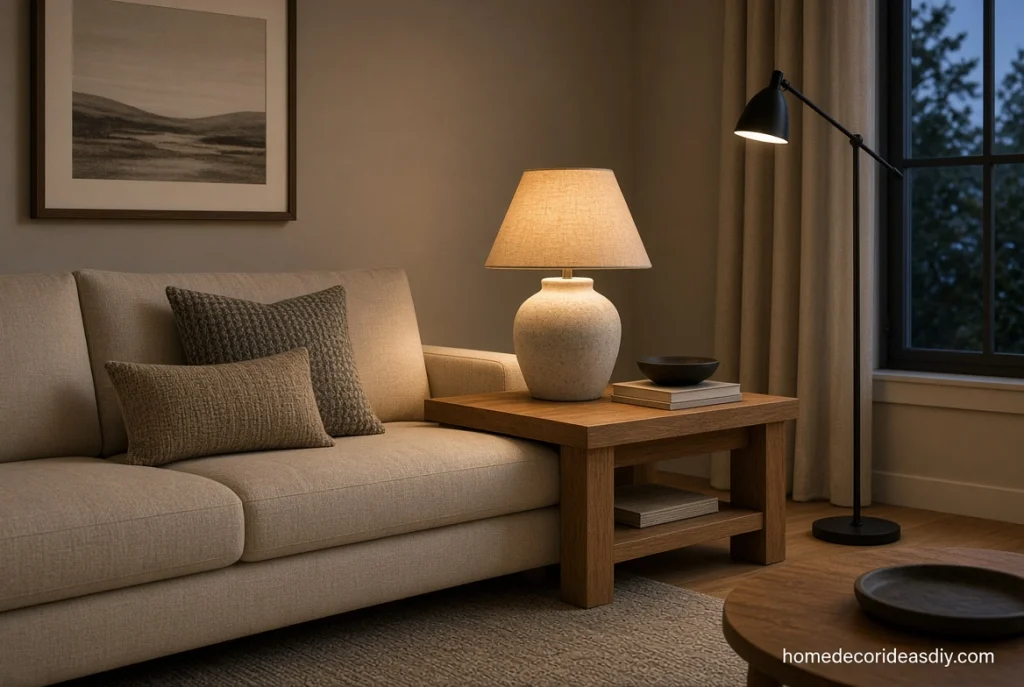
The most expensive item in the room is rarely doing the work.
Materials give it away first. Laminate that looks like marble under shop lights starts to feel wrong after a few weeks. Edges chip. The surface never quite sits right. A solid wood piece with real grain, a ceramic vase that has weight, linen that feels substantial rather than slippery these things register as quality before you even name them.
Scale is the next thing people miss. A thin-legged side table next to a large sofa makes the corner look temporary, like you haven’t finished moving in. Something with more presence thicker legs, a solid top, a bit of visual weight grounds the whole room in seconds.
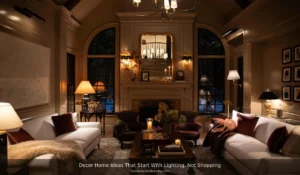
Lighting does more than most people realise. Harsh overhead LEDs flatten everything. Texture disappears. Even good pieces start to look cheap. Warm, lower light from a couple of well-placed lamps gives the room shape and mood. It’s still one of the cheapest ways to make expensive home decor feel convincing.
One strong piece with space around it almost always beats a cluster of smaller things competing for attention.
Where to Spend on Expensive Home Decor
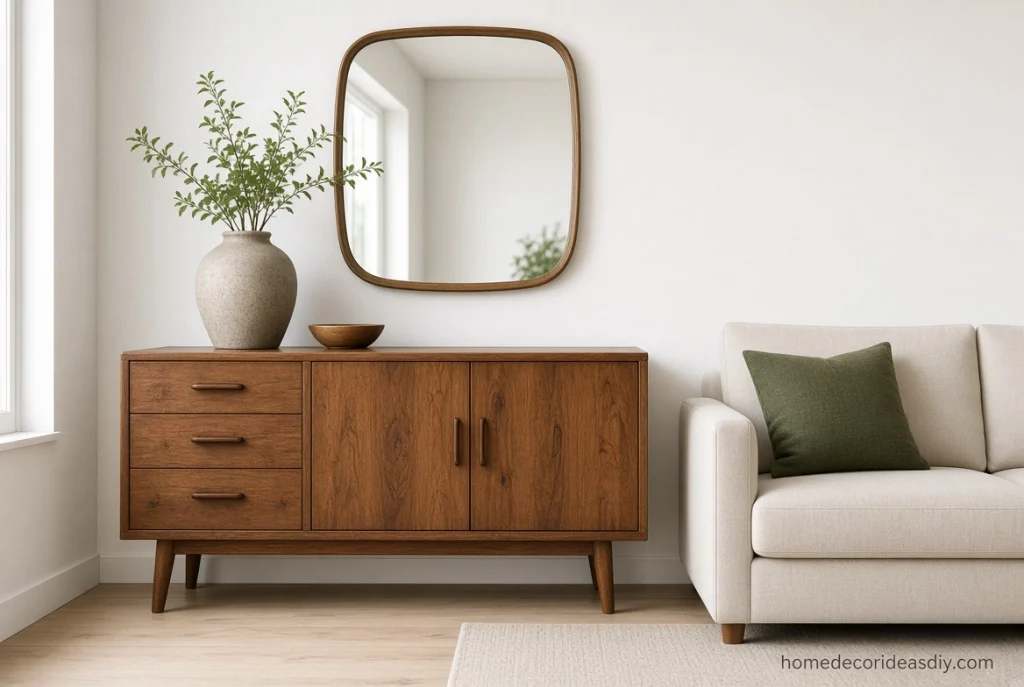
If you’re going to spend money, put it on things that improve with age rather than things that photograph well for a week.
Solid wood over laminate. Linen or a cotton-linen mix over shiny synthetics that crease after one sit. Brass or aged metal that picks up a patina instead of cheap chrome that scratches and looks tired within months.
Small pieces count too. A ceramic lamp base feels different from the hollow resin version beside it. Your hands notice even when your brain hasn’t caught up.
Walls matter more than people expect. Flat paint is fine. Limewash, plaster, or a decent textured finish catches light in a way paint never does. That’s why designers keep returning to them: depth without needing another piece of art.
Then the rug. A proper wool or wool-blend changes how the room feels underfoot. You don’t need a museum piece. You need something with enough body that it doesn’t flatten or pill by the end of the season.
Getting Expensive Home Decor on a Real Budget
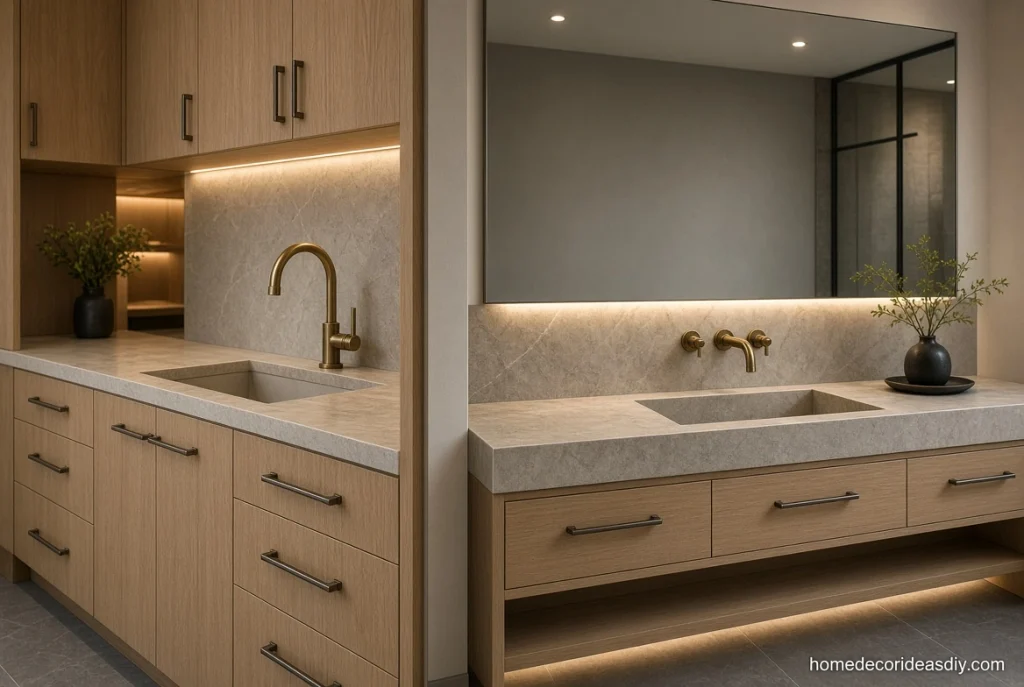
You don’t need everything new. You don’t need to pay retail. You don’t need to buy the whole room at once.
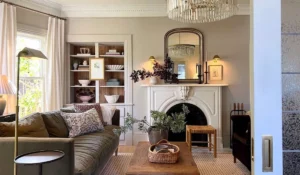
Some of the strongest pieces I’ve lived with came from second-hand shops. A mid-century sideboard with a few honest scratches. A mirror whose proportions actually hold a wall. These often carry more presence than much current high-street furniture and cost far less. One older piece against cleaner, modern lines is usually enough. Contrast does the work. A whole house of antiques looks like a time capsule.
Hardware is the upgrade people skip. Swap thin plastic cabinet handles for solid metal. A better curtain rod and finials. Small changes that add up quickly. People feel the difference even when they can’t point to what changed.
Layering does the rest. A decent throw. Cushions in mixed textures, velvet against linen. One solid side table. None of it has to be expensive on its own. Together they build the look of expensive home decor.
If money is tight, start with what you use every day: seating, lighting, the rug. Get those right. Live in the room. The rest becomes clearer.
Expensive Home Decor by Room
Living room
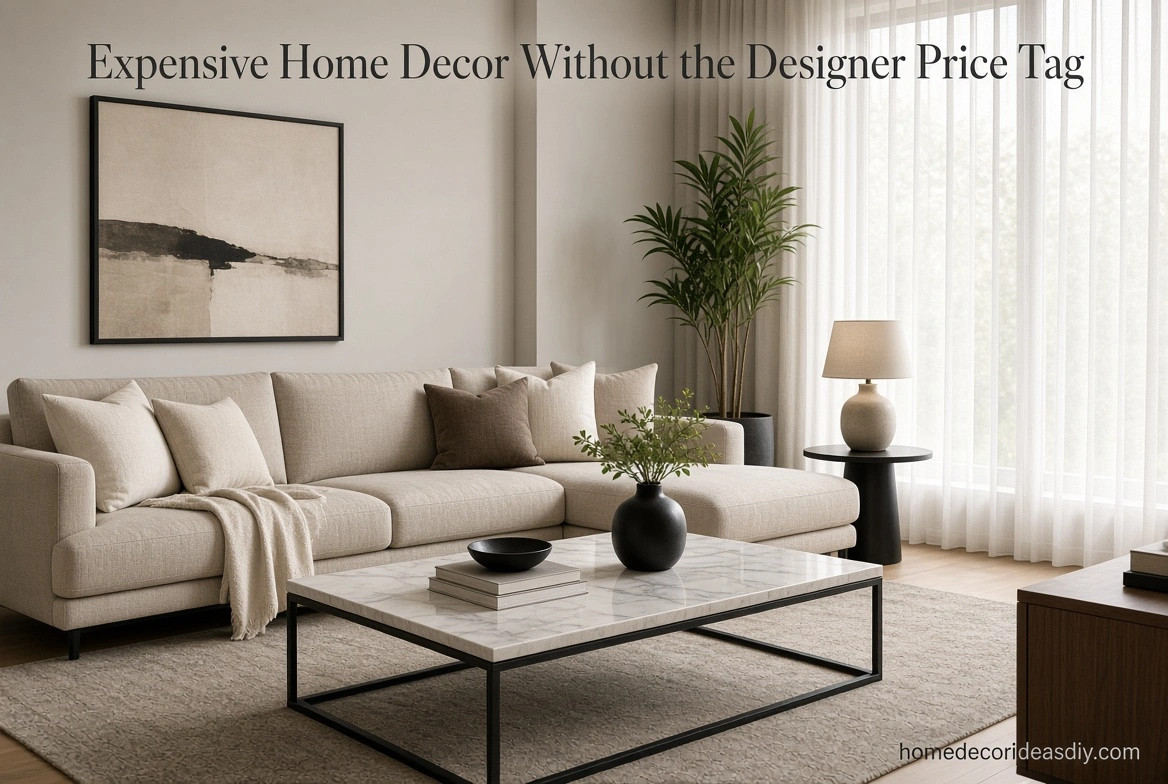
One well-made seating piece and decent lighting will beat a matching catalogue set every time. An armchair next to a floor lamp throwing warm light looks more considered than a full suite. Keep surfaces mostly clear. Clutter makes even expensive home decor feel cheap.
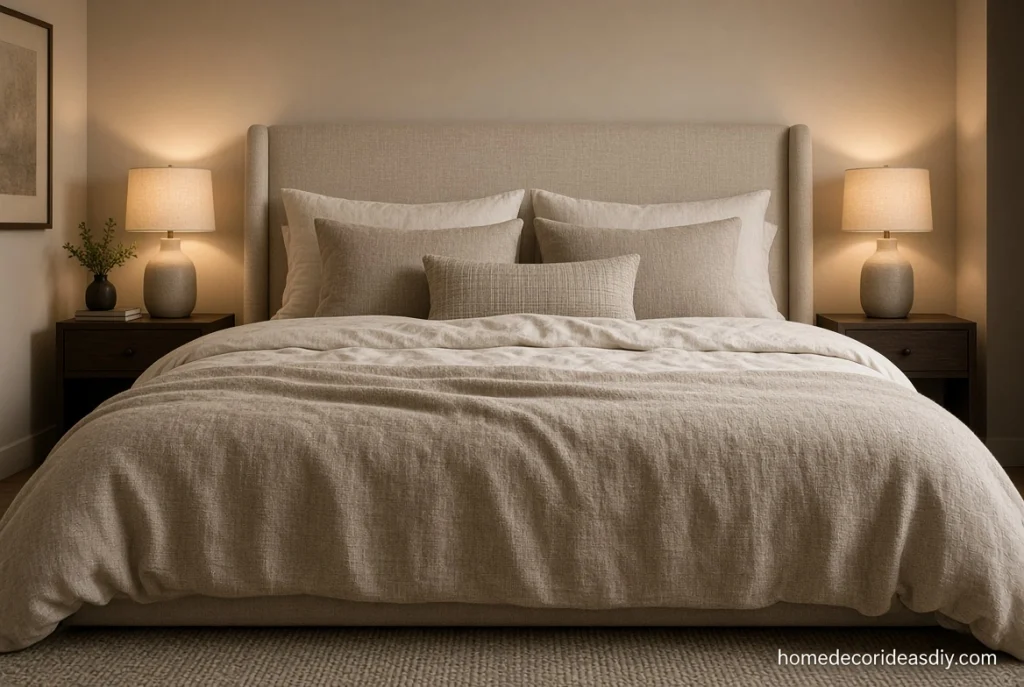
Bedroom
Bedding and the headboard do most of the work. Proper cotton or linen sheets. A headboard with actual scale. Soft light on both sides of the bed: small changes, bigger shift in how the room feels.
Kitchen and bathroom
These rooms come down to what you touch. Solid taps. Proper cabinet handles—a decent mirror. Quality here registers immediately because you use it constantly.
Mistakes That Ruin Expensive Home Decor
Matching everything perfectly is a giveaway. Identical metal finishes and identical wood tones make it look like a furniture display. A bit of variation across materials usually reads as more grown-up.
Covering every surface is another common mistake. When every table has objects on it, the room feels busy rather than finished. Space is useful. Leave some surfaces alone.
Proportion problems kill the look faster than almost anything else. A small rug floating in a large room makes the whole space feel smaller and cheaper. When you’re unsure, go bigger.
And don’t drop a bold piece of heavy wallpaper or an oversized light into a room that can’t carry it. The piece has to work with the space, not against it.
What Expensive Home Decor Actually Comes Down To
It isn’t the size of the budget. It’s where you spend and knowing when to stop adding things.
Better materials. More space. Attention to how light moves through the room. A few older pieces that already have some life in them.
The rooms that feel finished are rarely the ones with the biggest spend. They’re the ones where someone showed restraint.
If you’re starting from scratch, begin with what you already have. Paint, better lighting, and one solid new piece can change a room more than another shopping trip. Live with it. The rest follows.
That’s what has worked, room after room. It still beats chasing whatever is being sold as luxury this season.