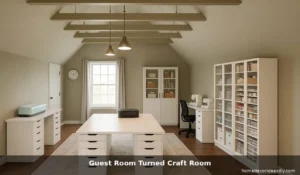
A light wood nightstand is one of those pieces that looks great in the listing photo and then gets to your house and looks a little orange. I hear about this a lot. People send me a picture of their master bedroom and ask what’s wrong with the nightstand, and most of the time, nothing is wrong with the nightstand. It’s the floor it’s standing on, or it’s the coating on top of the wood.
So before you box it back up, check two things.
Light Wood Has an Undertone, and That’s Usually the Problem
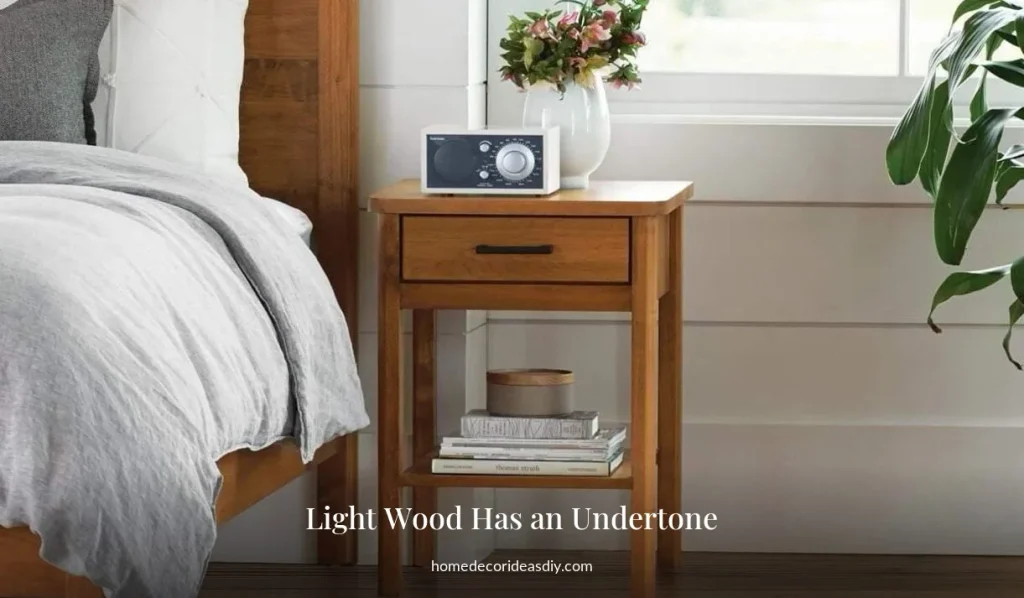
Tone means how light or dark the wood is. Undertone is the color underneath, and it’s the part most people overlook. You can have two bedside tables sold as light oak, and one looks yellow while the other looks almost gray. Side by side, you’d spot it right away. In two different stores, you won’t.
How the common light woods read in a room:
| Wood | How it reads |
|---|---|
| White oak | Tan and fairly neutral, with a little gold in it |
| Red oak | Lighter than most people expect, but there’s a pink tint running through it |
| Ash | The palest of them and slightly gray, so it works in cooler rooms |
| Maple | Creamy and close to white, and it yellows as it ages |
| Birch | Pale with a pink edge, and it takes stain blotchy |
| Rubberwood | What most budget nightstands are built from; straw-colored with uneven grain |
One thing that helps a lot: take a photo with the floor and the nightstand both in the frame, then look at the photo instead of the room. Your eyes adjust to whatever lighting you’re standing in. The camera doesn’t, so the color difference shows up much better on a screen.
A Light Wood Nightstand Ideas Next to a Wood Floor Shouldn’t Match It

The mistake I see most often is people trying to match. Light oak floor, light oak nightstand the two are close but not the same, and the corner ends up looking muddy without anyone being able to explain why.
Two wood tones in one room is about the limit. Studio McGee’s team works the same way: something like a light oak nightstand against a dark dresser, and they stop there. Once you get past two, a bedroom starts looking like a furniture showroom instead of a room somebody put together.
Your bed doesn’t need to match the nightstand either. Designers have been saying that for years bedside tables don’t have to match each other or the bed, and a bit of contrast usually looks better than a near match.
In practice, that means if your floor is warm honey oak, go cooler with the nightstand, so ash or a gray-washed white oak. If the floor is a cool gray plank, a warmer natural wood gives you a better result.
Oil Based Finish Is What Turns Pale Wood Yellow
This is the part that costs people money, and product pages never mention it.
Oil-based polyurethane has an amber tint from the very first coat. It warms up more over the first few months and keeps going slowly after that. Water-based polyurethane dries clear and stays clear. On walnut, that amber looks good. On maple, birch, ash, or anything with a white or gray wash, that’s what makes the piece look dingy a couple of years later.
So if you’re redoing a thrift store nightstand and want it to stay light, use a water-based topcoat. That’s not a style preference, it’s just how the two finishes behave. The yellowing in oil-based poly comes from the finish itself, not dust or age, so a water-based one won’t do the same thing no matter how much light hits it.
What about sunlight? Sun does affect wood, just not the way people assume. Some species get lighter over time, and others get darker. But when somebody shows me a pale nightstand that went yellow in two summers, it’s almost always the finish and not the window.
Most Cheap Light Wood Nightstands Are Veneer
Worth knowing before you buy sandpaper. Under a couple hundred dollars, most light wood bedside tables are a thin veneer or a printed layer over MDF or particleboard, sometimes with solid wood legs. The veneer can be very thin. You get one light sanding out of it, and once you go through it, you’re looking at gray board underneath, and there’s no fixing that. I’ve wrecked one doing exactly that, and I knew better before I started.
Solid rubberwood, poplar, and pine take a full strip and refinish without any trouble, and those are the ones worth grabbing secondhand. Veneer pieces are better off painted. Paint holds fine over veneer as long as you use a bonding primer first, and painting it gets you out of the undertone problem completely.
Use Dark Objects So the Nightstand Doesn’t Disappear
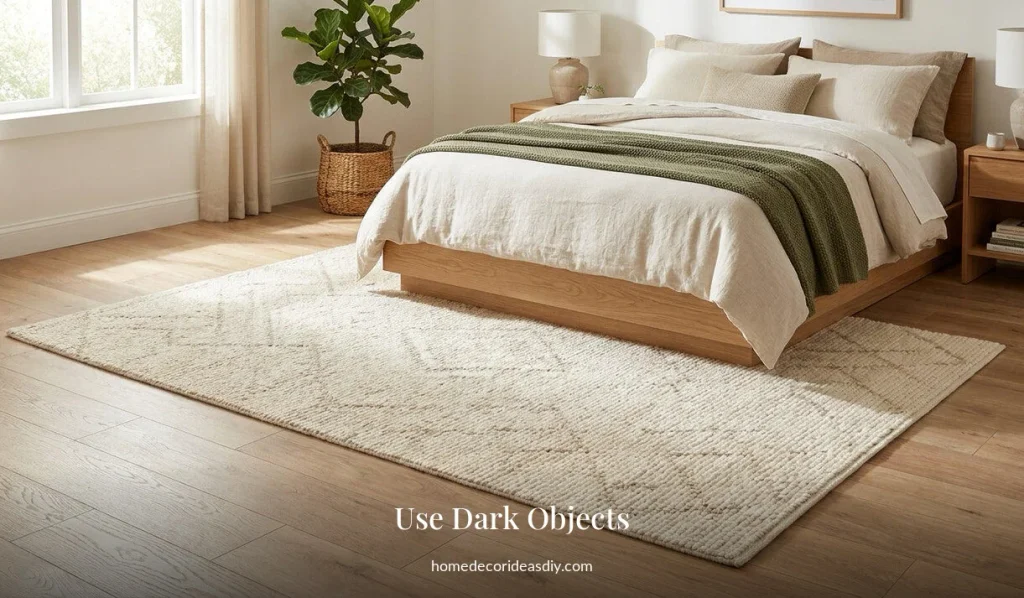
The other thing that goes wrong with light wood is that it blends in. Pale nightstand, pale wall, pale bedding, and the whole piece fades out.
You fix that with something dark on top, not with more wood. A black or bronze lamp base works. So does a dark ceramic pot, or a stack of books with dark spines. One dark object does more for the piece than three pale ones. Swapping the drawer pull for matte black is about ten dollars, and it’s probably the biggest change you can make for the money.
Height is worth checking too, because people get this wrong all the time. The top of the nightstand should land somewhere near the top of your mattress, which on most beds means 24 to 28 inches. Lower than that and you’re reaching down for your phone in the dark. Higher and that side of the room looks heavy.
If you only check one thing before buying, check it against the floor. The floor is the part you can’t change without spending real money, and it runs under everything else in the room. You can work around the bed.