So here’s the thing. I bought this “vintage” brass lamp from Facebook Marketplace for twelve quid. Twelve. Felt like a steal at the time.
Later? Found out it was made in bloody 2019.
Someone had gone and deliberately aged the thing. And honestly? I don’t even think the seller knew. Probably bought it thinking it was legit too.
I only clocked it when I pulled the base apart and saw the wiring. Modern plastic cable. Not that cloth-braided stuff you see in actual old pieces. Dead giveaway. But you know what? Still use it every night. Lamp’s nice. Just… not vintage.
And that whole mess taught me something no online seller in the vintage home decor game will ever tell you: most stuff being sold as “vintage” online? Yeah. Not actually vintage. Half the fun in this, or half the headache, depending on how patient you are, is figuring out what’s real before you hand over your cash.

That’s what this article is. Not some Pinterest moodboard of Mid-century chairs or Art Deco mirrors. Real sourcing. Real mistakes. Real vintage home decor ideas that actually work. All the stuff that turned my boring student-house flat into somewhere that actually feels like home. If you’re into DIY room makeover ideas like the ones I mess around with, you’ll get what I mean.
Vintage Home Decor Means Something Different to Everyone
Ask five sellers what “vintage” means. Go on. You’ll get five different answers.
Which gets annoying fast when you’re standing there trying to work out if eighteen pounds is fair or if you’re being ripped off.
Dealers usually go by this:
- Vintage = 20 to 100 years old
- Antique = 100+ years
- Retro = new stuff made to look old
In theory? Fine. In practice? Shops will slap “vintage” on anything with a bit of wear. Doesn’t matter if it’s actually old or if it came out of a factory eighteen months ago and someone attacked it with sandpaper. Half the listings you scroll past aren’t technically lying. They’re just using the word the same way people stick “artisan” on supermarket bread.
There was this clay vase at a charity shop near me—£ 18. I looked at the glaze and checked the stamp underneath. Pretty sure it was 90s. Not old. Not new. Just… stuck in the middle, pretending. Didn’t buy it. Not because it was ugly; it was actually nice, but because I’d rather pay less for something genuinely new, or more for something genuinely old. This thing wanted to be something it wasn’t.
And that’s the first real lesson about doing this on a budget-friendly home decor plan: not everything with a patina is worth your money.
How to Spot Real Vintage Home Decor
Most reliable signs, from the stuff I trust most to least:
Maker’s marks — Flip the thing over. Check for stamps. Google them. Most marks have rough dates attached online. Takes two minutes.
Joinery — Look for dovetail joints. Screws that aren’t perfectly identical. Because mass-produced identical screws? That’s a 20th-century invention. Before that, everything had tiny imperfections.
Real wear vs fake wear — There’s a difference between something that’s been used for thirty years and something that’s been sanded to look used. Real wear happens on handles, arms, corners where someone’s rested their feet every evening for decades. Fake wear looks… patterned. Decorative. Too uniform. You can tell.
Weight and materials — Solid wood, not that particleboard rubbish with veneer; heavy brass, not lightweight coated metal that looks brass-ish.
But here’s the thing: none of this means expensive. I’ve got a genuine 70s side table that cost me four pounds because the colour was ugly as sin. And I’ve got a brand new mirror made to look old that cost thirty quid and looks better in my hallway than half the real stuff. Age is just one ingredient. Not the whole meal.
That’s what I mean by affordable vintage home decor. You don’t need deep pockets. You need sharp eyes.
Where I Actually Hunt (And Where I’ve Burnt Money)
Charity shops
Best ones, obviously. But here’s the trick, good shops rotate stock daily, not weekly. Go once a month, you get nothing. I go Tuesday mornings. Yeah, I know how that sounds. But that’s when they’ve sorted through weekend donations and put out the new stuff. Worked three times now. Not questioning it.
Marketplace and local apps
Hit or miss. Mostly miss, if I’m honest. Fine for furniture that nobody wants to ship. Useless for small stuff because you’re trusting some stranger’s definition of “vintage” without being able to check joints or wear yourself.
Win: Oak bookcase, real dovetails, £25. Seller just wanted it gone.
Loss: That lamp. We don’t talk about the lamp.
Car boots and flea markets
This is where you actually find old stuff. People are usually clearing out a relative’s house, not running a business, so get there early. Good stuff goes fast. By 9 am the sellers have usually googled their prices and realised what they’ve got.
Estate sales
Been to two. With a mate who tracks listings. Felt weird, not gonna lie. Walking through someone’s rooms, picking through what they left behind.
Prices are worth it. But it’s not for everyone. I get why people skip them.
What I Stopped Doing
Buying “vintage lots” online without seeing them first. Did it twice. “Assorted vintage kitchenware.” Both times? Mostly chipped cups with one decent thing buried in bubble wrap. Delivery cost more than the stuff was worth. Never again.
How to Style It Without Making Your Room Look Like a Junk Shop
This is where people mess up more than with sourcing. You can find amazing pieces one by one and still end up living in something that looks like a charity shop exploded.
Pick an anchor piece. One main thing. Build around it. My living room started with a chest of drawers. Cost me £8. Repainted it one weekend. Everything else-mirror, lamp, side table got chosen to work with that one piece. Five random things with no connection? That’s not a room. That’s clutter.
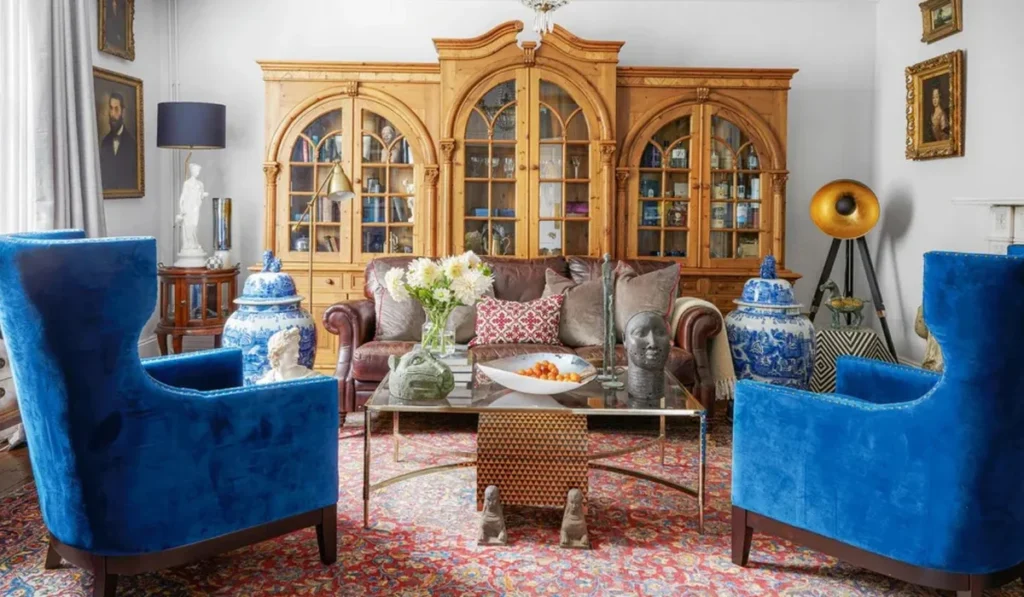
One room, one era. Trust me on this. I once put a 60s teak sideboard next to Victorian frames. Looked like two people with completely different personalities were fighting each other. Gave the frames away. Now I stick to roughly one decade per room.
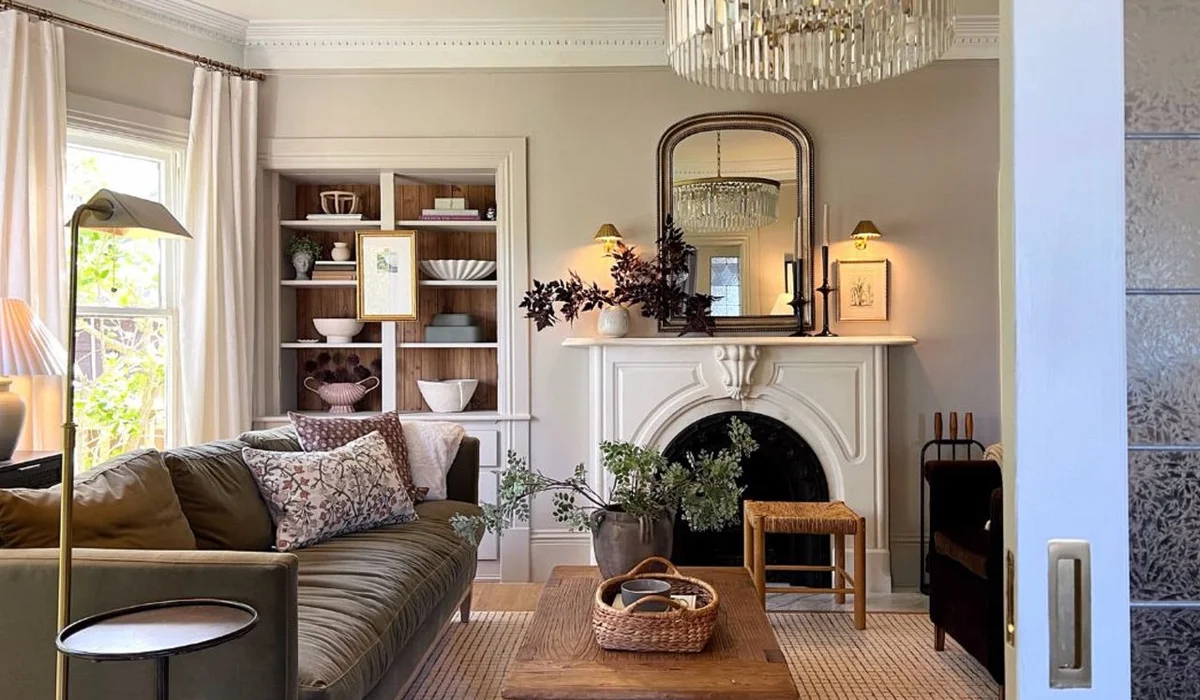
Repeat materials or colours. This works better than matching eras. Brass shows up in my lamp, my frame edges, and a small bowl. That’s what ties it together. Not the year it was made.
Leave gaps. Biggest mistake people make? Filling every space. Three good things with room to breathe look better than twelve things crammed together every time.
If You’re Starting
Start with something you actually need. Not something that photographs well. Mirror. Small table. Set of glasses. Whatever. Live with it for a week before buying piece number two.
Slow down. Rush this and your flat fills up with things that look nice alone but don’t talk to each other in a room.
And remember this works even better in small spaces. You have to be selective. My flat’s tiny. The smallest pieces are actually the best ones. One mirror. One lamp. Does more than some massive sideboard ever could. If you’re dealing with a tiny place too, check out my small-space decorating tips.
Quick Questions People Ask Me
Is it okay to buy new “vintage-style” stuff instead?
Yeah. Sometimes it’s the smarter move. If you’re busy or can’t get to shops, a good reproduction isn’t a crime. I mix both. Only difference is weight and price. Room looks the same.
How do you know if the price is fair?
Check eBay completed listings or Etsy sold items. Not active ones. Active listings are just people hoping. Completed sales show what people actually paid.
Can this stuff work in small flats?
Actually works better. You have to be selective. My flat’s tiny. The smallest pieces are the best ones. One mirror. One lamp. Does more than some massive sideboard ever could.
I still get it wrong sometimes. Buy something, find out later it’s newer than I thought. Part of the game. I’d rather take that risk than play it safe and only buy new stuff forever.
That brass lamp? Still on my desk. Still not vintage.
And honestly? Couldn’t care less anymore.