Five things. That’s what I carried home the first time, and I laid them out on the rug like I’d pulled off something clever. A small framed print, two candles, a fake eucalyptus stem, a serving tray, and one of those woven baskets that turns out to be roughly the size of a cereal bowl once it’s out of the store. Forty-nine dollars and change. The room looked the same as it had that morning, not slightly better, the same, and it took me embarrassingly long to work out why. Most budget home decor ideas under $50 get written as a list of ten little purchases, and that split is the whole problem. Fifty dollars divided five ways buys five objects your eye skips straight past.
Fifty dollars in one object beats fifty spread across five
Spend the whole budget on the largest single thing fifty dollars can buy. Not the prettiest thing. The largest.
Rooms get read at scale before they get read in detail. A five by seven frame on a blank wall reads as a smudge from the doorway, whereas a thirty-inch mirror or an oversized print changes the shape of the wall itself, and you notice it from the hallway. That’s why a lot of cheap decorating fails even when every individual piece is fine. Nothing in the room is big enough to register.
Another thing about mirror home decor is that the wall opposite the mirror decides whether it works for your room, so stand where the mirror will go, turn around, and look closely at what’s about to end up inside the glass. If it’s a cluttered shelf and a radiator, save your money.
Sample Jar Paint Covers About Sixteen Square Feet
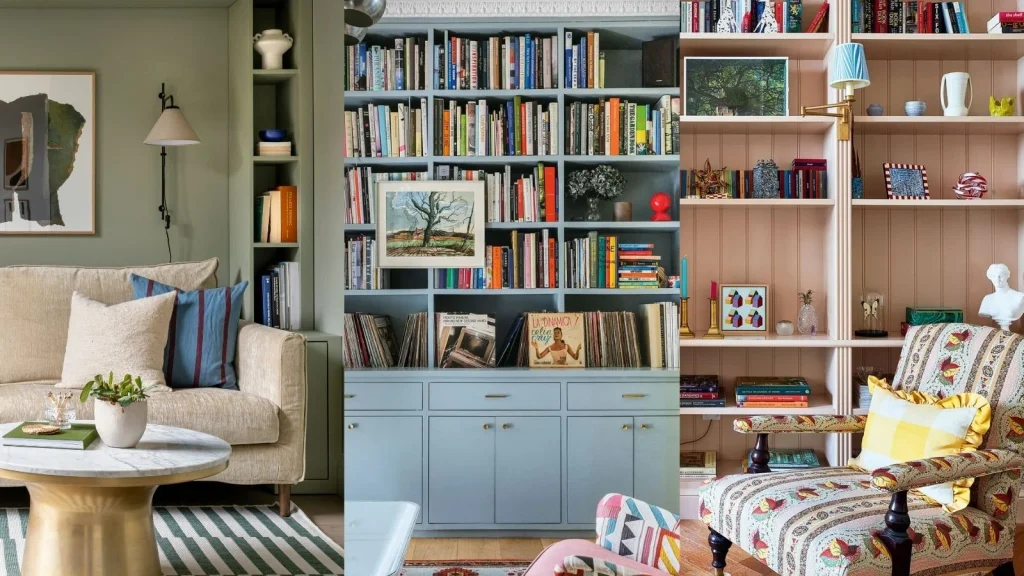
Behr says its eight-ounce sample jars cover up to sixteen square feet, and a full gallon covers roughly two hundred to four hundred fifty square feet depending on the surface, which you can check against their own coverage guidance before you buy anything.
Sixteen square feet isn’t a wall. It’s a door. Or a dresser front, or the inside back panel of a bookcase, or one alcove, or the frame of a mirror you paid four dollars for. Sample jars cost a few dollars each, and they’re the highest return per dollar in cheap home decor, easily, because colour is the one thing that reads at full room scale for almost nothing when it suits the space.
Two jars and a foam roller still leave you around forty dollars.
Do you need primer? On raw wood or laminate, yes, or the paint peels off in sheets the first time something scrapes it. On a wall that’s already painted, no.
Budget home decor ideas under $50 that actually held up in my place
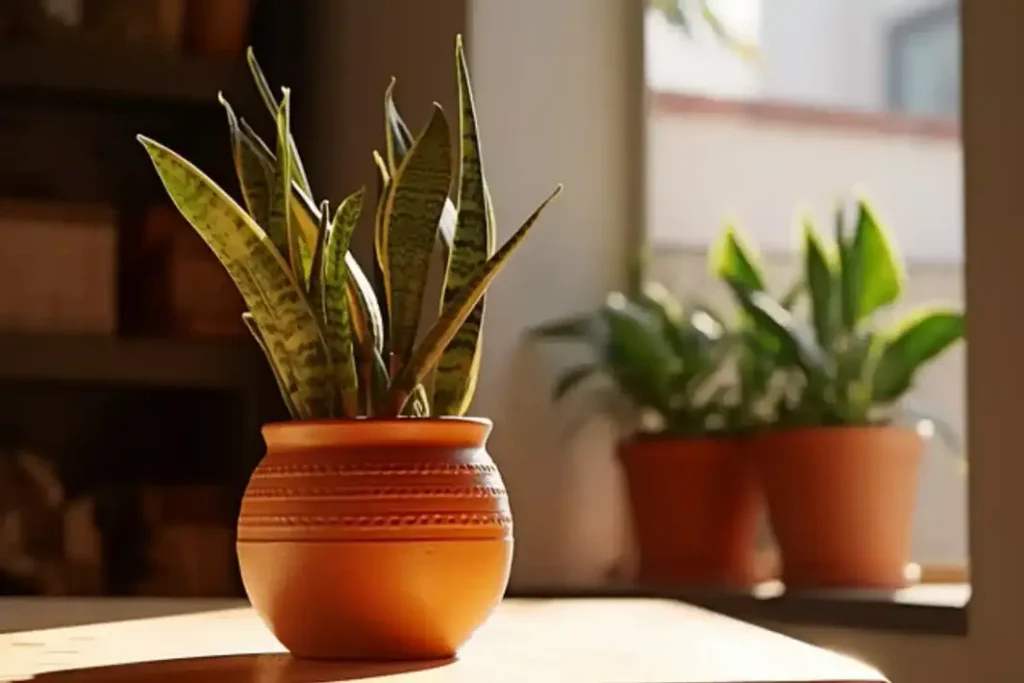
These are the buys that survived past a month rather than getting quietly moved to a cupboard:
- A large secondhand mirror, $15 to $40. The single biggest change for the money. Look for scratched frames, since you’ll paint them anyway.
- One sample jar plus a cheap foam roller, under $10. Paint the back wall of a bookcase in something deep. Sounds pointless, isn’t it?
- An oversized empty frame, $5 to $20. Thrift stores are stacked with ugly art in decent frames. Bin the art. Frame a botanical print you downloaded for free, a scrap of fabric, or nothing at all, and hang the empty frame.
- Three plants in terracotta, $20 to $35. Buy for the window you have and not the plant you like, because light is what decides which plants work in your place, and a dead fiddle leaf fig is worse than a bare corner.
- A thrifted lamp, $10 to $25, plus a new shade. A warm bulb in a corner does more after dark than anything you hang on a wall.
I found a dented aluminium vase in a thrift shop once for three dollars, scratched to bits, and it’s still on the shelf. Cheap metal pieces age better than cheap wood does, which I didn’t expect.
Habitat ReStore prices home goods well below retail
Before I go anywhere else, I go to the Habitat for Humanity ReStore. They’re nonprofit home improvement stores and donation centres that take gently used furniture, lighting, cabinets, and household goods and sell them to the public at a fraction of retail, with some affiliates putting the range at thirty to seventy per cent off. Proceeds go back into Habitat’s building and repair work, so the money isn’t going into a resale margin.
Inventory changes constantly, which cuts both ways. You cannot go looking for a specific item. You go every couple of weeks with a rough idea and no fixed shopping list, and eventually the right lamp base appears.
Estate sales on the last day, when everything drops by half, are the other one worth learning. Flea markets and regional decor markets are better for character pieces than for filling a room quickly, but prices get soft at the end of a market day.
What if you’re renting and can’t paint? Removable hooks, a mirror leaned against the wall instead of hung, and a lamp. Leaning oversized things is underrated anyway, and it looks deliberate rather than cheap for a rental.
The mistake I keep repeating.
Buying small because small feels safer. Fifteen dollars on a candle and a tray feels like a low-risk decision, and it is, in the sense that nothing happens. Nothing happening is the risk.
Once you get past the fifty-dollar line and start weighing single pieces properly, the thinking changes again, and that’s a different conversation about what’s worth paying real money for. Under fifty, though, the rule holds one thing, as big as you can get.
The lists promising twenty ideas for fifty dollars are selling you the split, and the split is what left my living room untouched for three weeks. I’d rather come home with one item and an empty wallet than five and a room nobody can tell has changed. So under fifty, pick one thing as big as you can get, and let that be the difference.