Okay, so listen. I’ve been obsessed with plants for home decor for like… way too long now. And if there’s one thing I’ve learned after killing probably two dozen of them? Most people do this backwards. They walk into a nursery, see something pretty, buy it, stick it wherever, and then wonder why it looks sad three weeks later. I’ve been that person multiple times. The thing is, you can’t just grab a plant and hope for the best. Your room has to want it.
Your Window Picks the Plants for Home Decor
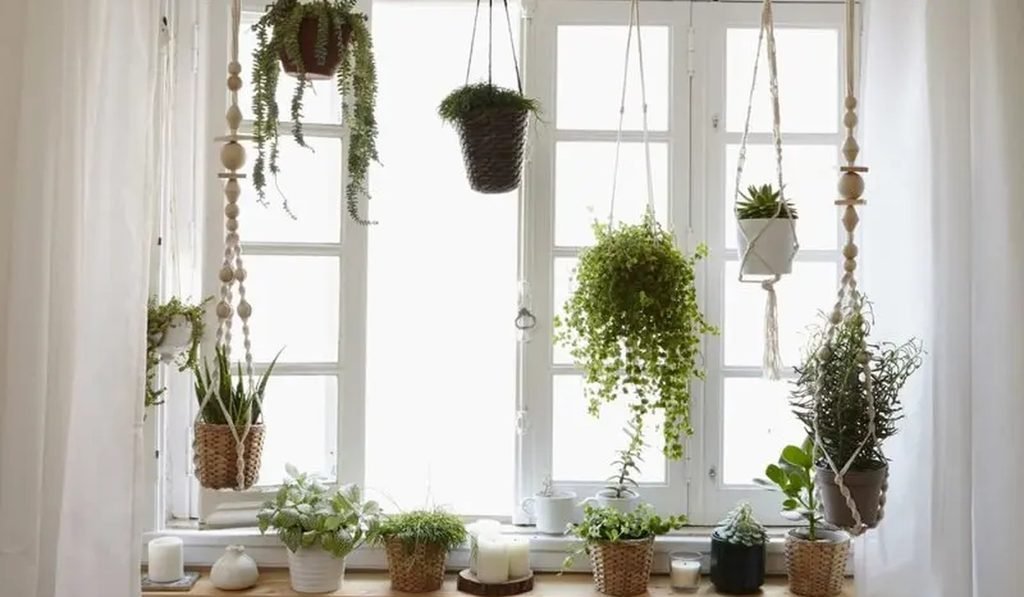
Here’s what nobody tells you. Light inside a house drops off FAST. I’m talking: you take two steps away from a sunny window, and suddenly you’re in “low light” territory. Your eyes? They adjust. Plants? Nope. So that corner you think is “pretty bright”? Probably a death sentence for anything that actually needs sun.
South-facing windows, if you’re in the northern hemisphere, get blasted with direct sun most of the day. That’s your cacti, succulents, ficus, anything that loves to bake.
East and west windows are the sweet spot. A few hours of gentler sun, then bright indirect the rest of the day. Monstera, philodendron, rubber plants, and calatheas thrive here.
North-facing? Weak light all day. Snake plant, ZZ, pothos, cast iron plant, ferns. That’s your list.
And hallways or interior walls? Honestly, good luck. Whatever you put there needs to be basically unkillable, and even then it’ll grow at a snail’s pace.
Now, low light does NOT mean no light. I can’t stress this enough. A snake plant “tolerating” low light is surviving, not living its best life. Tolerating means zero new growth for years. If you want it actually to fill out and look good, it needs to see the sky. Period.
I had this gorgeous echeveria once. Put it on a dark shelf because it “looked cute there.” Within a month it went pale, stretched out like it was reaching for something, and leaned hard toward the nearest lamp. That leggy look? That’s your plant literally starving. Like squinting, but make it botanical.
Plants for Home Decor: Size Actually Matters
I’m going to fight people on this one. I don’t care.
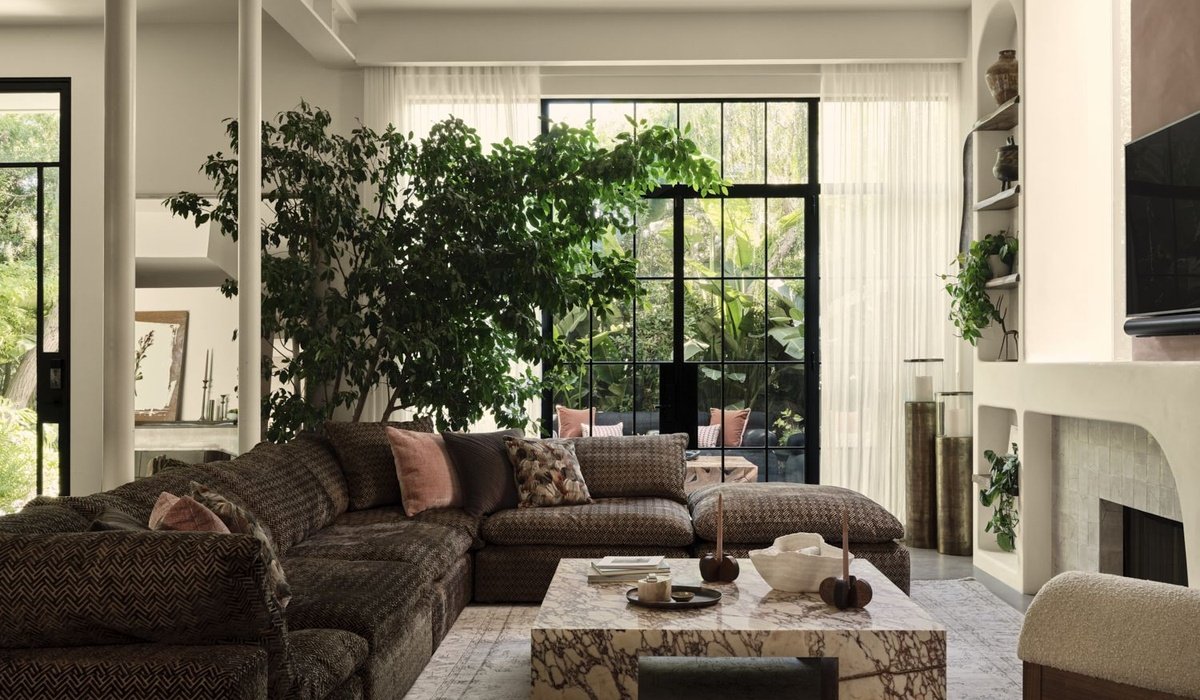
Small pots scattered everywhere? Clutter. That’s all it is. Five tiny terracotta pots on five different surfaces look like a mess that happens to be alive. One big floor plant next to your sofa? That’s a choice. That’s intentional.
Height is the one thing small plants can’t do. A six-foot bird of paradise or a chunky rubber plant fills vertical space that furniture can’t touch. It softens that awkward corner where two walls meet. And honestly? It costs less than the side table you were eyeing anyway.
For living rooms especially, one strong plant, maybe two smaller supporting pieces, done. That’s the whole game.
Want to spice up that corner without adding more plants? Layer it. Put a floor lamp at one height, a plant at another, maybe a stack of books or a basket. Different textures, different heights. Way better than a row of matching pots.
If you’re playing with Islamic home decor, try pairing a tall plant with geometric patterns or calligraphy. That balance between organic and structured? Beautiful.
The Air Quality Lie
Can we talk about this for a second? Because this myth needs to die. Hard.
Yeah yeah, everyone says houseplants clean your air. They don’t. Not really.
It all comes from some 1989 NASA experiment where plants stripped chemicals from tiny sealed chambers. Sounds legit, right? Well, in 2019 so not that long ago- researchers Bryan Cummings and Michael Waring at Drexel University looked at twelve of those studies, 196 results in total. They converted it all into something you could actually compare to real ventilation.
Want to know what they found? You’d need between 10 and 1,000 plants per square metre to match what opening a couple of windows does.
That’s wild. That’s not a living room. That’s a jungle.
Buy the plant because your corner looks empty. Because you love the leaves. Because green next to grey makes the grey look intentional. Those are actual reasons. The air quality excuse? Never was one.
If you’re into that whole vintage home decor vibe, a big leafy thing next to an old cabinet? Perfect combination. Or if antique home decor is more your thing, that contrast between worn wood and fresh green is everything.
Don’t Skip the Pot
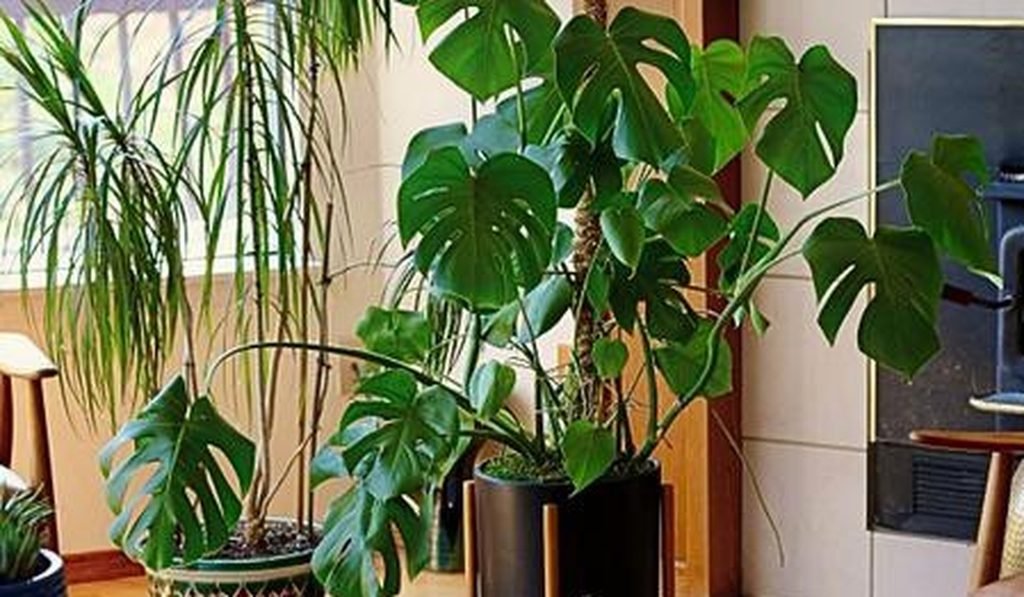
A good plant in a nursery pot looks like a task you haven’t finished. Same plant in heavy stoneware? Suddenly it’s furniture.
Think of it like picture frames. Woven baskets warm and relaxed. Matte ceramic in off-white or clay? Disappears into the room, which is perfect when the leaves are the star. Glossy black or deep green? Modern, deliberate, bold.
Two things everyone skips, though: drainage and weight.
No drainage hole drowned plant eventually. Use a plastic nursery pot inside the decorative one; lift it out to water. Easy.
And a tall plant in a light plastic planter? First time your cat, kid, or drunk friend bumps it, it’s going down. Heavy bases exist for a reason.
Mix your pot styles across the room. They don’t need to match. Slight variation looks collected, like you actually picked them up over time instead of buying a set. Treat planters as home decor accessories, not packaging.
Small Spaces Work Too
Floor space is the problem. Everything else is free real estate.
Trailing pothos on a bookshelf. Small pots on a windowsill. Narrow plant stand in that weird gap next to your fridge. Kitchen windowsills are basically unused, and herbs there pull double duty: pretty and edible.
Hanging planters are dirt cheap and free up every surface. One ceiling hook near a window holds a plant that’d otherwise need a whole side table. Still “buy fewer, buy bigger,” just… up.
Bedrooms need way less than you think. One good plant. Maybe two. You’re sleeping in there, not running a botanical garden.
That’s It, Honestly
No fancy rules. No greenhouse. Just a window, a decent plant, and a pot that doesn’t look like an afterthought.
If you want more ideas, check out our posts on luxury home decor and showpieces. Sometimes a plant plus the right accent piece is all a room needs.