Previously, I thought luxury decorative objects were just more expensive versions of the ones I already had on my shelves, for instance, a heavier vase, a shinier sculpture, or one with a brand name on the base. But that kind of luxury never really stayed in my house; it always appeared as though it had been borrowed. After a few weeks, it started to feel like I was showing off someone else’s taste.
The reality is that the range of things that actually work is less than the catalogs suggest. A decent luxury item performs a single function well and draws the eye without requiring the rest of the room to vanish. It can be left empty. It appears more attractive in the afternoon light than in a product photograph, and there’s no need for you to feel the obligation to explain why you bought it.
This is the test that I currently use.
What is the real difference between a luxury item and a costly one?
Price is the most useless filter; I have bought things that still look like they come from the shop, and I have come across better ones for only a small part of the amount I paid.
Weight helps. So does the way the surface takes light. Slightly uneven marble, glass with a faint seam from the mound, brass already dulling in the high spots those details show it was made by someone, not poured into a mold last month. Thin, perfectly even finishes usually give themselves away after a week of dust and fingerprints.
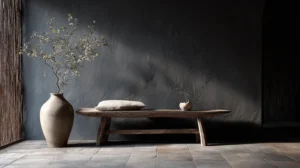
Scale matters more than most admit. A small luxury object on a large table looks lost. A large one on a narrow console looks like it is waiting to be knocked over. Most luxury decorative objects are better left empty. I learned that the hard way with vases. I wrote about measuring fourteen openings in Decorative Vases The Opening Is What Matters because many fail as vessels. The ones that work as objects do not need flowers to justify themselves. If the empty photograph looks stronger than the filled one, stop fighting it. If they do not need flowers to justify themselves. If the empty photograph looks stronger than the filled one, stop fighting it.
How I choose luxury decorative objects now
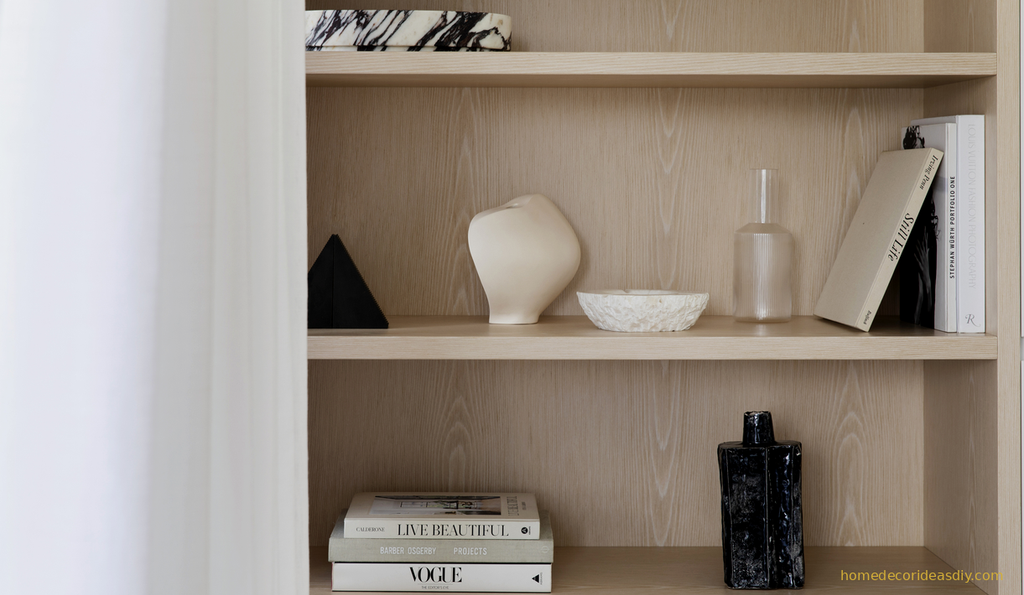
Does it have a clear front? Objects that look the same from every angle often disappear on a shelf. A slight lean, a thicker base, a handle that is only on one side those give you a place to stand it.
Won’t it appear correct if the room is in a messy state? If it only functions when all the other elements have been arranged for the purpose of a photograph, then it isn’t suitable for everyday use.
Could I manage it with one hand? If it requires two people and a towel, then it will be kept in a cupboard after I clean it once.
Does it act against the items that I already have? I deliberately combine high-end with low-end pieces. When a heavy crystal item is placed next to a simple ceramic jug, the overall effect usually appears more thought out than having two identical designer pieces. It is the contrast that achieves this. I discussed this kind of mixing in the article titled ‘Luxury Home Decor Isn’t About Spending More’ where I was aiming to make rooms seem as if they had been gathered rather than bought.
The final check is selfish; wouldn’t I rather not look at it as I pass by at 11 p.m. with the lights only half on? If the answer is no, then it should remain in the shop.
The pieces that keep showing up in rooms that feel finished
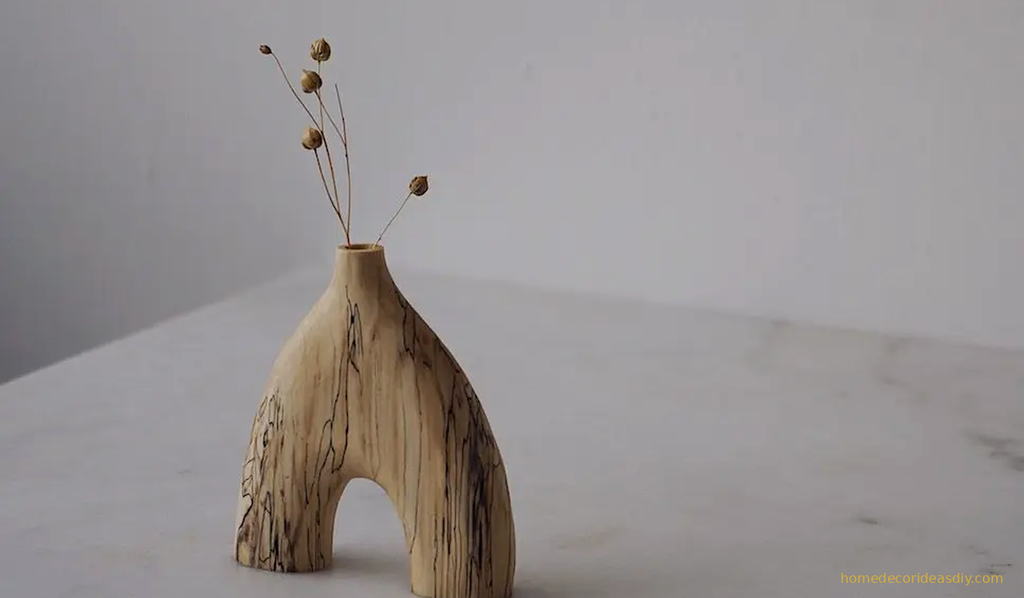
The sculptural vases are the ones that people tend to choose first, but they are also the ones most likely to fail. A satisfactory vase either has a mouth that is actually usable or has a shape so sturdy that you never need to worry about it. In most homes ceramic still beats out glass since it conceals the waterline and the debris. With glass, however, you only have a good result if you are ready to clean it every few days.
Although crystal and cut glass still have their place, they shouldn’t be displayed as a set. One piece on a dark wooden surface is enough; a complete collection starts to resemble a display cabinet.
Brass and bronze objects age in a way plastic-coated “gold” never will. They pick up fingerprints, then a dullness that looks better. I still have a brass elephant that sat in the wrong spot for years before finding the right one. That story is in The Right Showpiece for Home Decor Changes a Room. The object did not change. The placement did.
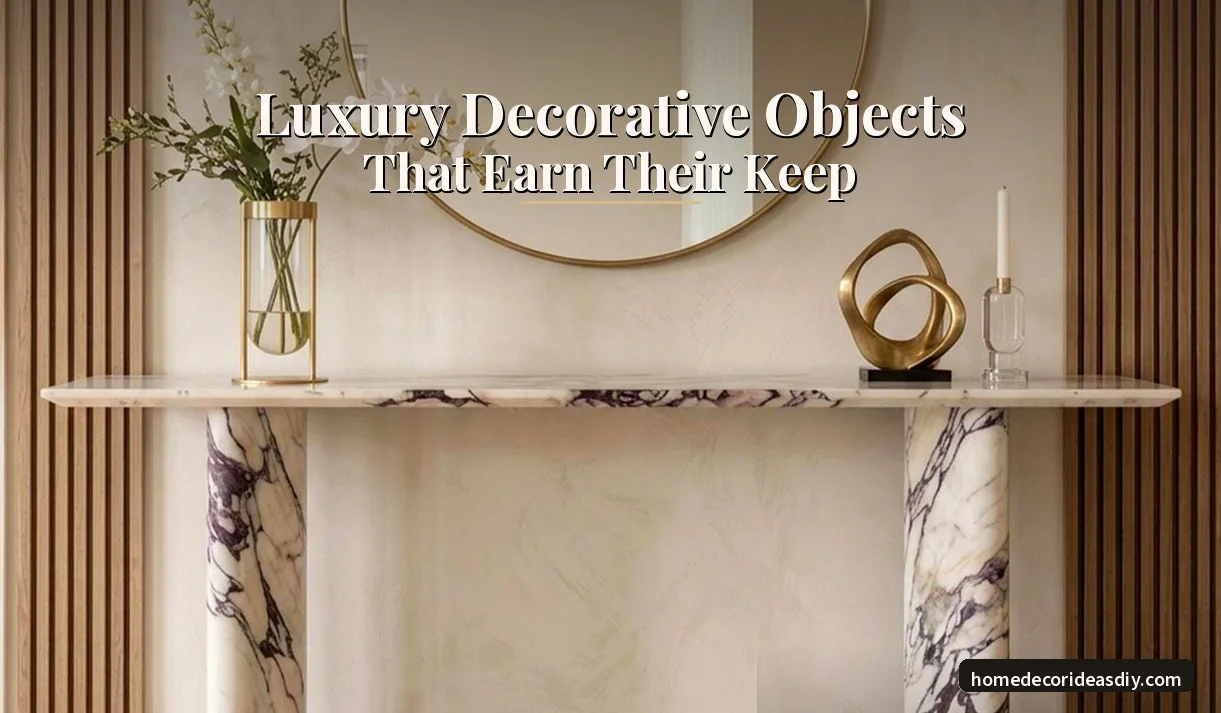
Marble and stone work well when the veining is subtle. When marble is placed next to other loud elements it is merely creating noise. A small marble bowl or a low pedestal placed beneath a simpler item is generally sufficient.
Wooden carvings and items that have been turned only succeed when the grain is performing a certain function; those that are smooth, stained, and have a walnut appearance usually don’t.
Trays and bowls are overlooked. A good tray collects the small items that would otherwise appear to be a mess, such as keys, a candle, and one other smaller object, and it also allows you to move the entire group when you need the surface.
Where they belong (and where they look like you are trying)
The entry console consists of a single item, or perhaps two if one is considerably smaller; leave room on either side, since this is the first thing people notice and it shouldn’t look like a shop window.
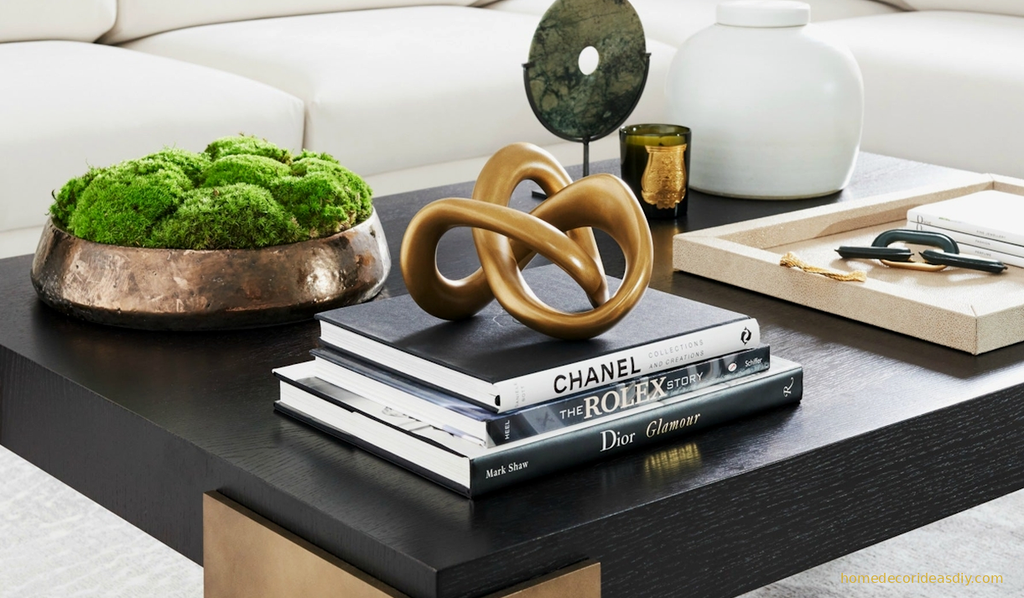
For the coffee table in the living room, the height should be low, since tall objects obstruct both conversation and the reach of the remote control, and a low bowl or a heavy book with just one object on top is generally more suitable.
The shelves have odd numbers, vary in height, and include space around the most important item. I still see people arranging objects like soldiers. That way of arranging things looks more like storage than display. Negative space is not to be regarded as wasted space.
You should have a dining table only if you actually use it, and a centerpiece that has to be moved each time you eat will end up being stored in a cupboard.
In the bedroom, it is better to use quieter materials, since crystal and highly polished metal may feel restless in a room where you are trying to sleep.
The rooms which go wrong are those in which each surface has ‘one nice thing’; it is because of this that you end up with eight competing objects and no room for a cup of tea.
The same rules apply if you already prefer older items. An antique doesn’t automatically qualify as a luxury item merely because it is old; it still has to prove that it belongs. I covered restraint in my article ‘How to Style Antique Home Decor the Right Way‘.
Mixing expensive objects with what you already have
There is no need to replace the cheap vase; what is required is a better object which makes the cheap vase appear intentional. You can achieve this effect by placing a heavy stone item alongside a simple ceramic one, or a dark metal object beside something pale and handmade.
I also use aluminum pieces. Although they aren’t considered luxury items in the catalog, compared with something denser, they stop looking like a good deal and start to feel like a deliberate choice. That is the point made in ‘Cheap Aluminium Decor Ideas That Still Look Like You Meant It’.
The way a room is lit makes all the difference; a luxury item may appear clinical if it is under a cool overhead light but seems as if it should be there if it is placed near a lamp with a warm bulb. That’s why I examine the pieces in the kind of lighting they will actually experience in the room, not in the shop lighting.
I look at one new item at a time. If you buy two, you begin to arrange them to match, and that’s why rooms lose the slight unevenness that makes them seem lived in.
What I would skip
The sets were sold as ‘luxury decorative objects’; if they arrived together, they would appear to have been arranged that way.
Anything that needs a stand, a plaque, or a story card to make sense.
Pieces that only work against a white wall. Most of us do not live in white boxes.
Trend shapes that will date in two years: the overly organic blob, the cartoon animal, and the logo that is bigger than the object.
If you are unsure, leave it. An empty surface is not a failure. It is often the more expensive-looking choice.
Luxury decorative objects are not a category you fill. They are a small number of things you keep because they still look right after the novelty wears off. That is a higher bar than a price tag, and it is the only one that has worked in rooms I actually use.