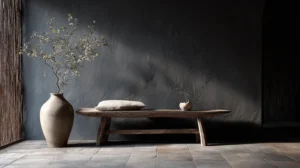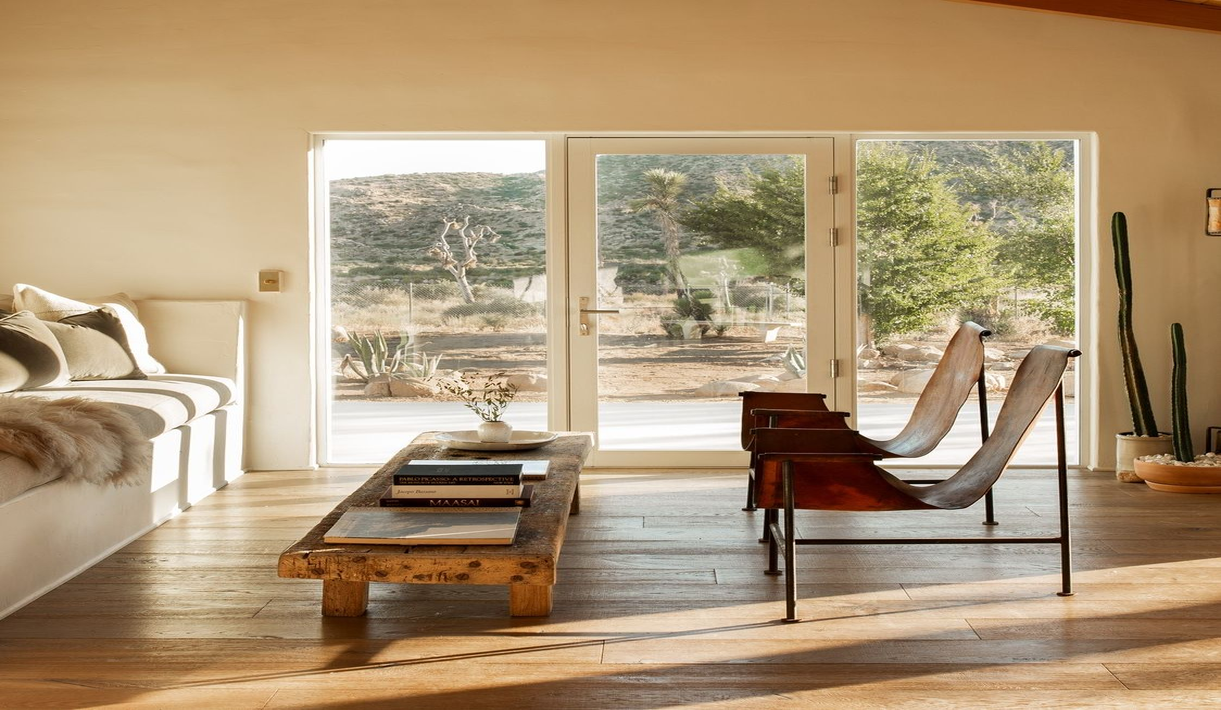
Two console tables, same showroom, maybe nine feet apart. One was two hundred and forty dollars, the other was just over two thousand, and from where I was standing they were the same table in two different stains. I got down on the floor with my phone flashlight, and it took about ninety seconds to see it. Those ninety seconds are basically my whole argument about high end home decor, which is that the difference rarely sits on the surface where you’re looking for it; it sits in the joinery and the fill and the fabric rating and whatever is hiding under the veneer, and once somebody shows you where to look you can’t unsee it afterward.
The cheap one had staples in the corner blocks. You could count them. The expensive one had double dowels, glue, and a maker’s stamp burned into the underside of the top.
High end home decor is a construction question before it’s a style question
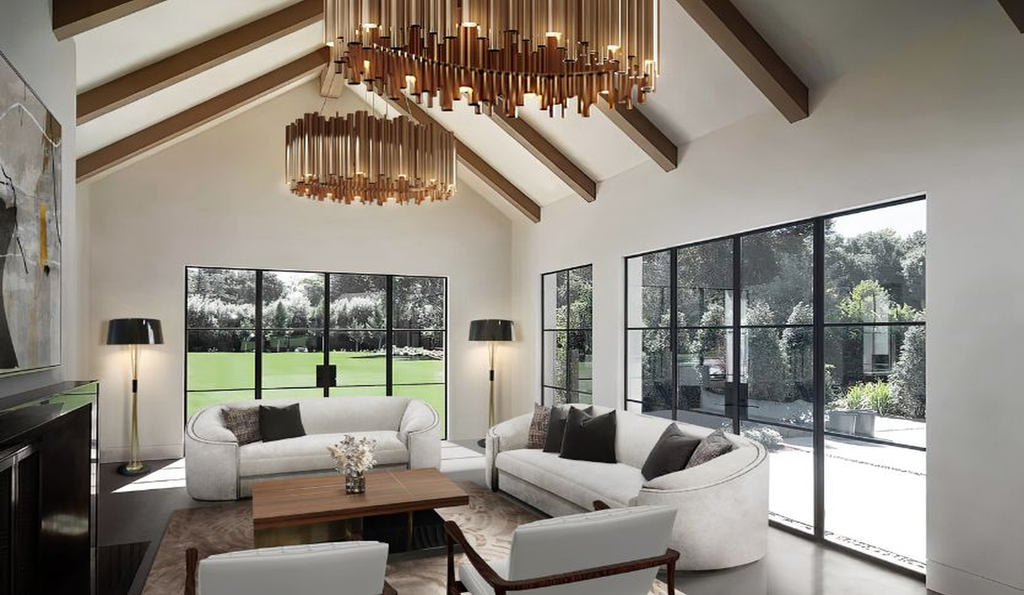
The gap between a real piece and a look-alike gets explained as restraint, or a color palette, or how much space you leave around a lamp. Some of that’s true. But expensive furniture is expensive mostly because of decisions made long before anything got upholstered, and those decisions leave evidence you can find in a showroom on a Saturday afternoon.
Kiln-dried hardwood is the first one. Kiln drying pulls the moisture out of the wood so the frame doesn’t warp or split as your house cycles through winter heating and summer damp, and it’s why a good frame will outlive three sofas built on particleboard. Oak, maple and ash turn up most. If the tag says “engineered wood,” or the slightly cheekier “solid and engineered wood,” that’s chipboard with a nicer name.
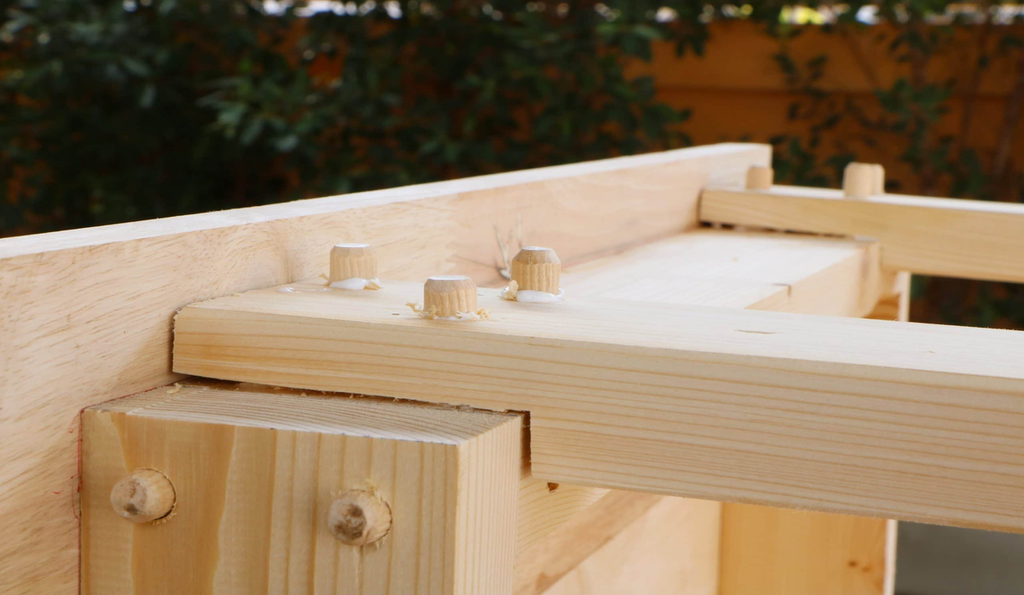
Then the joints. Dowels, double dowels, or mortise-and-tenon, with hardwood corner blocks glued and screwed at the stress points. If a salesperson tells you the frame is stapled, they’ve just told you the price is wrong, and I’ve had that conversation more than once with someone who genuinely didn’t realize what they’d admitted.
Suspension is the third thing, and it’s the one shoppers skip entirely. Eight-way hand-tied springs are hourglass coils knotted by hand to the frame at eight separate points, front to back, side to side, and both diagonals. It’s slow, labor-intensive work, which is why the piece costs what it costs. Sinuous S-springs are the alternative, and they’re genuinely fine for a chair you sit in twice a week. For the sofa that eats your evenings, hand-tied earns the money.
None of which contradicts the point I’ve made before about luxury home decor not being a spending problem. Both things are true. You can pay a lot and get nothing, and you can also pay a lot and get a frame your grandchildren argue over.
The Spec Sheet Beats the Floor

Every upholstered piece has an abrasion number attached to it somewhere, and hardly any shopper asks for it. In North America, the test is Wyzenbeek: a mechanized arm drags cotton duck back and forth over the fabric, each pass counts as one double rub, and it runs until two yarns break. The rough conversion the trade uses is three thousand double rubs to a year of use, give or take, depending on how hard your household lives.
So the bands land like this. Under 3,000 is decorative, meaning pillows and drapes and nothing you sit on. 3,000 to 9,000 is light duty, the formal chair in the room where guests get parked. 9,000 to 15,000 covers normal living room furniture. 30,000 and up is what I’d want under a family that includes a dog, and the full testing bands are published if you want to check a number against them.
| What you’re checking | Entry level | High end |
| Frame | particleboard, stapled | kiln-dried hardwood, doweled or mortise-and-tenon |
| Suspension | sinuous S-springs | eight-way hand-tied coils |
| Fabric abrasion | 3,000 to 9,000 double rubs | 30,000+ double rubs |
| Seat cushion | bonded or low-density foam | high-resiliency foam core with a down or fiber wrap |
| Bulbs in the room | CRI 80 | CRI 90 to 95, R9 over 50 |
That last row surprises people, and I’ll get to it.
What You Can Check in Two Minutes
Lift one front corner about six inches off the floor. A hardwood frame is heavy and comes up as a single object. Particleboard feels light, and the frame twists slightly before it lifts, and you can feel that twist through your fingers even if you’ve never done it before.
Four more, all fast:
- Put a magnet on anything sold as brass. Solid brass will not hold it. Brass-plated steel grabs on instantly, which I found out the irritating way after paying two hundred and change for a floor lamp I still own and still resent a bit.
- Pull the drawer all the way out and look at the back corner. Dovetails, dowels, or staples. Four seconds tells you the whole story of how the piece was made.
- Press the seat cushion hard with your palm and watch how it recovers. High-resiliency foam pushes back at you. Cheap foam stays dented a beat too long.
- Run a thumbnail along the edge of a veneered top. Thick veneer over hardwood feels continuous. A thin one over MDF leaves a lip you can catch.
Does any of this matter for accessories? Less than you’d think, honestly. A vase or a mirror is a proportion problem rather than a construction problem, which is why a cheap frame can sit next to a serious piece and hold its own perfectly well. I’ve written separately about how much the opening diameter changes a vase, and that turned out to matter more than what the thing cost.
Bad Light Kills Good Furniture
This is the part I’d argue about with strangers. Color Rendering Index measures how honestly a light source shows color compared to daylight, scored out of a hundred, and most bulbs sold in hardware stores sit at 80. Eighty is fine for a garage. In a room where you’ve paid for walnut and wool and a paint color you agonized over across three weekends, eighty flattens all of it. Reds go muddy, wood loses its warmth, and the fabric you picked under showroom lighting reads slightly wrong at home in a way you can’t put your finger on.
Look for 90 and above. The recommendation for most residential rooms is 90+ CRI, with 95+ where there’s stone, tile, or art involved. There’s a second figure worth chasing as well, R9, which scores deep red specifically, because a bulb can post a respectable overall CRI and still render reds badly. Sixty dollars of bulbs will do more for how expensive a room reads than six hundred dollars of anything else, which is roughly the same territory I covered when I wrote about why a room feels cheap even when the money was obviously spent.
Where to Spend, Where to Cheap Out
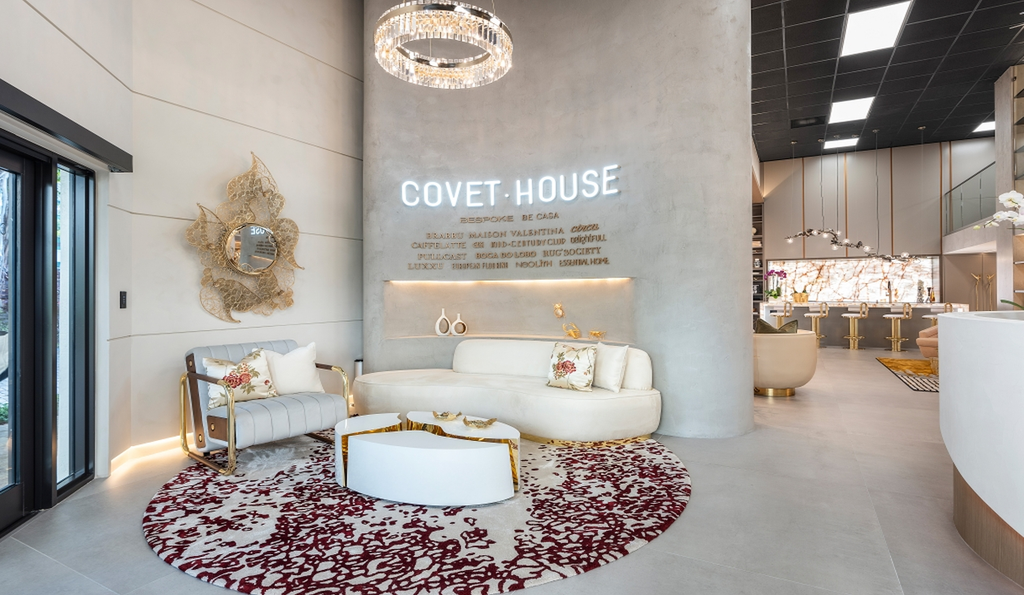
I’ll commit to a position: put it in the seating and the lighting, and be shameless about being cheap everywhere else.
Seating gets used daily, and construction has nowhere to hide in it, so one good sofa reupholstered at year twelve beats three bad ones bought at four-year intervals. Lighting multiplies whatever else is in the room. Past those two, the returns fall off hard. Coffee tables, side tables, shelving, most case goods: solid enough is solid enough, and the design differences you’re being charged five times over for stop being visible from four feet away.
Accessories especially. Secondhand brass and old ceramics read more expensive than most things currently in production, and a lot of what makes a room look considered comes from pieces carrying some age, which is the case I made at more length about antique home decor. Plenty of home decor items under 200 will punch above their price too, as long as you’re picky rather than fast.
The showroom knows all of this, by the way. That’s why the real spec sheet is printed in six-point type on a card tucked behind the tag, and the fake one says “quality construction” in a nice font. I stopped asking staff what a piece is made of a while back and started asking to see the paperwork instead, and the reaction to that question usually tells me the answer before the paperwork ever does.