I used to think home decor pots were an afterthought. Buy the plant, grab the cheapest pot nearby, done. Then a friend pointed out that the plastic nursery pot I’d left a fiddle-leaf fig in for eight months was doing more damage to my living room than the bare corner it sat in ever had. She wasn’t wrong. Swap that same plant into a pot with a bit of shape and color, and suddenly the whole corner looks intentional. That’s really the whole story with home decor pots: they’re rarely about the plant at all. They’re about whether a room looks like someone lives there on purpose.
What Actually Makes a Pot “Decor” and Not Just a Container
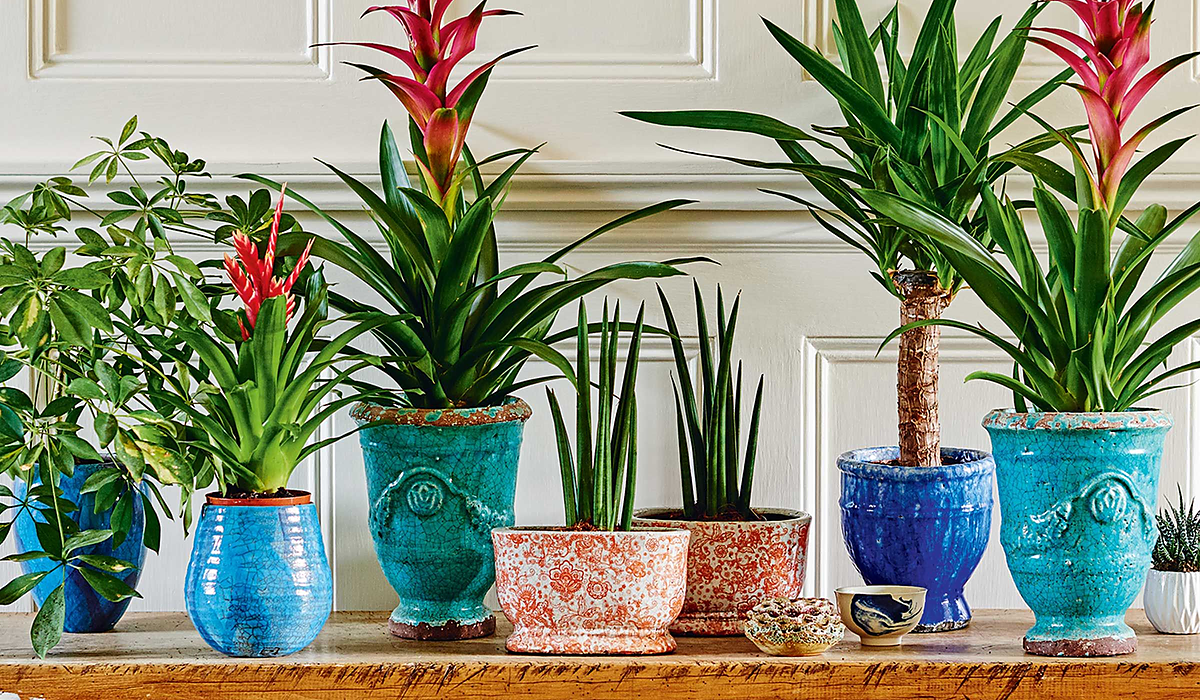
There’s a difference between a pot that holds soil and a pot that does something for the room. A decor pot earns its spot on a shelf or floor because of its shape, texture, or color; it would still look fine empty. Think a wide ceramic bowl with a matte glaze, a rough terracotta urn, or a woven basket planter tucked into a reading nook. The plant inside is almost secondary at that point.
This matters because most people buy pots backwards. They pick the plant first, then grab whatever container is nearby at the shop. Flip that order once, and you’ll notice the difference immediately: start with what the room needs (height in a bare corner, warmth on a cold windowsill, a focal point on an empty console table), then find the pot, plant, or no plant that fills it.
Picking Materials That Actually Suit Your Space
Material changes more than the look it changes how the pot behaves in your home. Unglazed terracotta breathes, dries out fast, and develops that chalky patina people either love or can’t stand. Glazed ceramic holds moisture longer and comes in almost any color, which makes it the easier pick if you’re decorating around a specific palette. According to plant retailer Chive, a ceramic pot without a drainage hole works best as a cachepot, with a plain nursery pot inside it. That one detail saves a lot of ruined furniture.
(For a deeper look at traditional materials and how pots have been made for centuries, see the Wikipedia entry on flowerpots.)
For pure decor pots with nothing growing in them, weight matters more than drainage. Concrete and stoneware feel grounded on a floor. Lightweight resin or fiberclay pieces are easier to move around if you rearrange often, which, if you’re anything like me, happens more than you’d admit.
Where Home Decor Pots Actually Belong in a Room
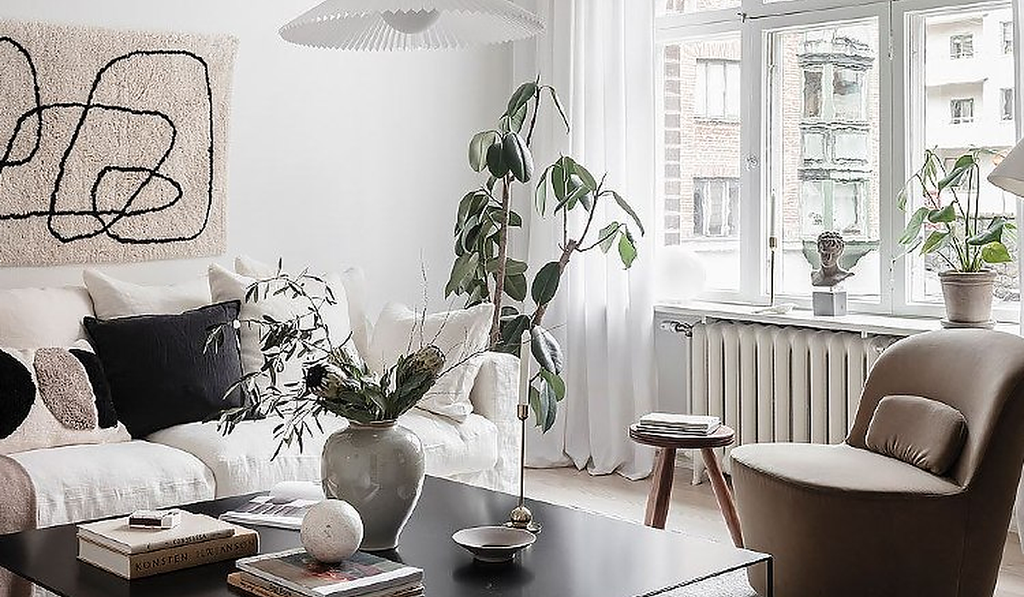
This is the part people skip. A gorgeous pot in the wrong spot becomes clutter.
- Entryways: a single tall pot by the door, empty or with a dried branch, gives visitors somewhere to look the second they walk in.
- Beside a mirror: pairing a pot with a mirror pulls double duty, since the reflection doubles the visual weight without adding more furniture. If you’re working on that wall anyway, it’s worth reading our piece on mirror home decor first, since the two ideas tend to work best planned together.
- On a shelf, not just the floor: a squat, wide pot on a floating shelf breaks up straight lines better than another framed print would.
- As a stand-in showpiece: An empty sculptural pot can genuinely act as the room’s centerpiece. We’ve covered this in more depth in our guide to choosing the right showpiece for home decor, and much of it applies directly to pots.
Budget and DIY Home Decor Pots
You don’t need a boutique price tag to get this right. Some of the best-looking pots in my own flat cost almost nothing:
- Old paint tins or coffee cans, sanded down and given two coats of matte spray paint.
- Terracotta pots left plain, then rubbed with a little olive oil for a deeper, aged tone.
- Thrifted ceramic bowls that were never meant to be planters in the first place a flea-market fruit bowl works just as well as a “real” pot.
- Wine bottles or glass jars, painted or wrapped in twine, grouped in threes on a shelf.
If painting or thrifting pieces like these sounds familiar, it’s basically the same approach we cover on the homepage under home decor ideas DIY on a budget; most of it started with people using what was already in the house.
If you’re drawn to a more weathered, collected look rather than clean modern lines, it’s also worth browsing antique home decor and vintage home decor; older pots and urns tend to have exactly the kind of texture that’s hard to fake with something new.
A Few Mistakes Worth Avoiding
Buying pots that are too small is the most common mistake. A pot that looks fine alone in a shop often disappears once it’s sitting on a full shelf or beside furniture; go a size up from what feels right in the store. The second mistake is matching every pot in a room exactly. A uniform set can look more like a display case than a home. Mixing two or three finishes one matte, one glazed, one raw clay reads as collected rather than staged.
And if you’re using pots for actual plants rather than just decor, don’t ignore drainage to save the pot’s finish. A cracked base from trapped water costs more in the long run than the pot did to begin with.
Frequently Asked Questions
Do home decor pots need to hold real plants?
No. Plenty of the best-looking pots in a room sit empty or hold dried branches, pampas grass, or nothing at all. Their job is shape and texture, not necessarily greenery.
What’s the easiest way to update a room with pots on a small budget?
Start with what you already have: old jars, tins, or thrifted bowls before buying anything new. A coat of paint or a bit of texture usually does more than an expensive replacement would.
Ceramic or terracotta — which is the safer choice for beginners?
Terracotta forgives overwatering because it dries out fast, so it’s the more forgiving option if you’re new to keeping plants. Ceramic suits people decorating around a specific color scheme, since it comes in far more finishes.
How many decor pots is too many in one room?
There’s no fixed number, but if you can’t immediately point to what each pot is doing for the space filling a corner, anchoring a shelf, framing a doorway it’s probably one too many.
Does a room feel like it’s missing something, and you’re not sure a pot is the answer? Send us your project; we’re always happy to talk it through.