I used to leave plants in the black plastic they came in. It looked unfinished, which it was. The first proper ceramic plant pots I bought were a matching trio from a high-street shop, pretty in the bag. On the shelf they looked like I’d bought a set and given up. One of them also had no hole in the bottom, which I only noticed after the peace lily sat in wet compost for a week and started sulking.
That is most of what this piece is about. Not a catalogue. Just what matters once the pot is in your house: drainage, glaze, weight, size, and whether the thing still looks right when nothing is flowering in it.
If you already read the broader piece on home decor pots, this is the narrower version. Ceramic only. Because ceramic behaves differently from terracotta, resin and those woven baskets that look lovely until you water them.
Why ceramic plant pots behave the way they do
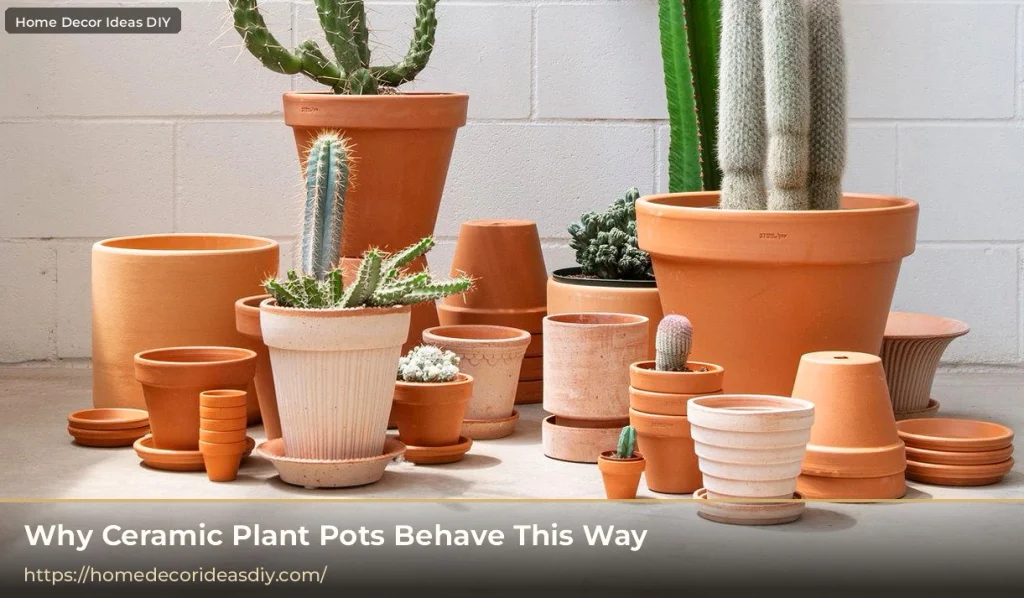
Ceramic is fired clay. That sounds obvious until you put two pots side by side and they act like different objects.
Unglazed clay the terracotta everyone already knows is porous. Water moves through the walls. The soil dries faster. You get that white salty crust on the outside after a few months. Fine for succulents and anything that hates wet feet. Annoying if you keep forgetting to water a fern.
Glazed ceramic plant pots are sealed. Moisture stays in the compost longer. Colour stays put. They don’t breathe through the sides, so water leaves only through a hole in the base, or through the plant. That is why the hole is not a nice extra. It is the whole system.
Stoneware, fired hotter, is denser than cheap earthenware. It chips less. It also weighs more, which is useful when a tall plant gets bumped. I learned that the dull way: a light pot, a cat, a smashed rim, compost on the rug.
Chive’s plant people put it bluntly ceramic is good for plants when it drains. Without a hole, you are growing in a bowl. Their note on drainage is worth reading if you only take one thing from an external page.
Drainage, saucers, and the cachepot trick
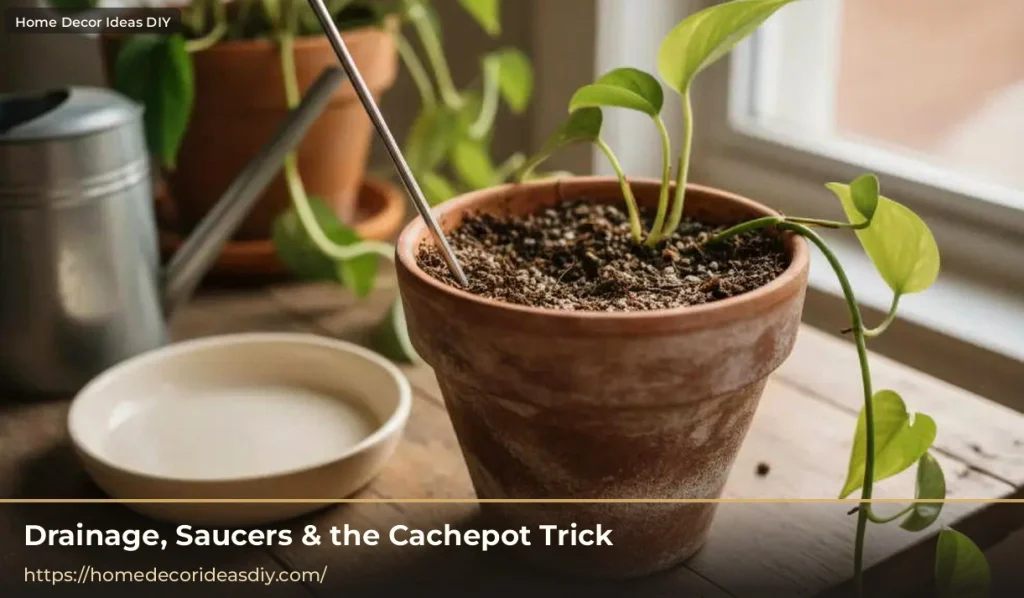
A pot without a hole can still work. Just don’t plant directly into it.
Keep the plant in its plastic nursery pot. Drop that inside the ceramic one. Lift it out to water at the sink. Let it drain. Put it back. That is a cachepot, and it is how I use most of the nicer pieces I do not want to drill.
If the ceramic already has a hole, you need a saucer. Not a plate from the kitchen. A proper one, or the water ring on the wood will be there in six months, and you will pretend you do not see it.
I drilled one cheap glazed pot with a masonry bit and masking tape over the mark so the glaze didn’t scratch. It worked. I would not do it to anything I liked. One slip and you have a crack from the hole to the rim.
How big should ceramic plant pots actually be
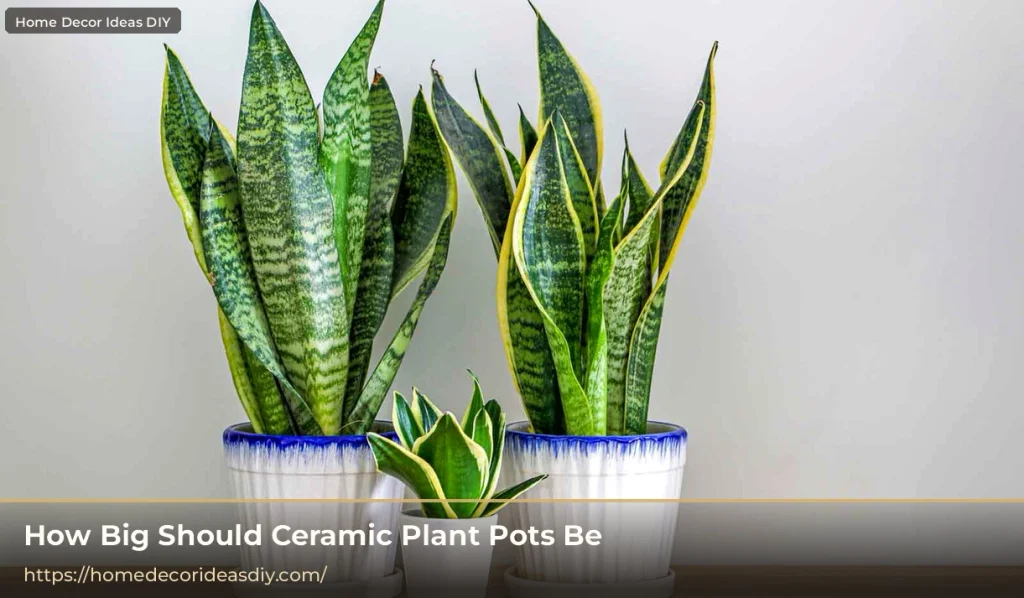
Go one to two inches wider than the current root ball. Not double. A plant dropped into a pot the size of a bucket sits in wet soil for days. Roots rot quietly. You only notice when the leaves yellow, and you blame the light.
When the roots start circling or poking out the bottom, step up one size. That is it. I have three indoor plants that have been in the same ceramic pot for over a year because they were not ready. Leaving them alone looked like neglect. It was not.
Weight matters more than people admit. A heavy base stops a top-heavy monstera or a tall snake plant from going over. If you need to move the pot often, ceramic is the wrong material. Use it where it can stay.
Indoor plants that actually like ceramic
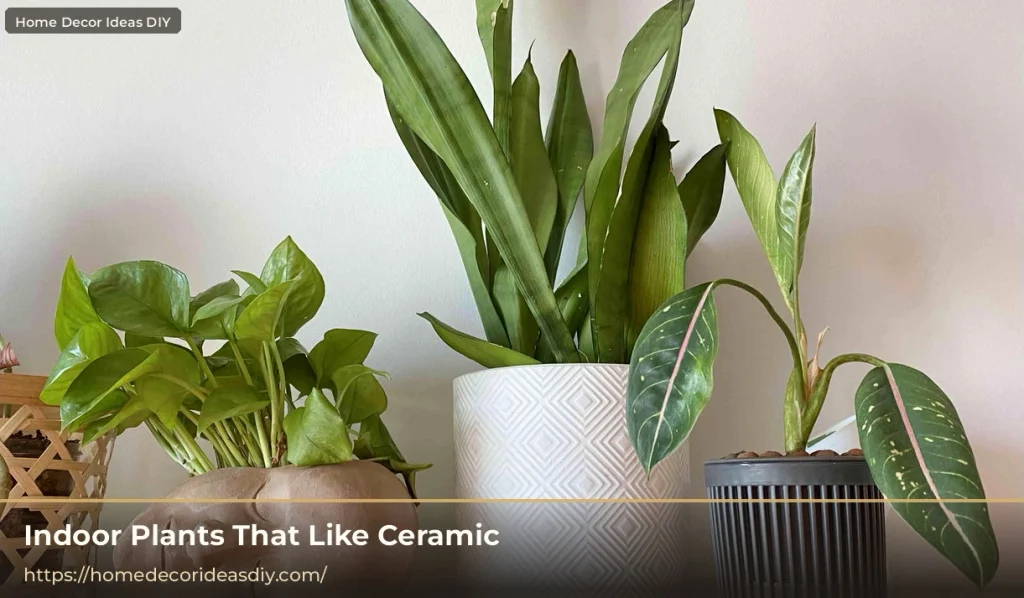
Glazed ceramic suits plants that prefer compost a bit damp between waterings. In my flat, that has meant:
- Peace lily sulks if it dries out hard, recovers if you catch it
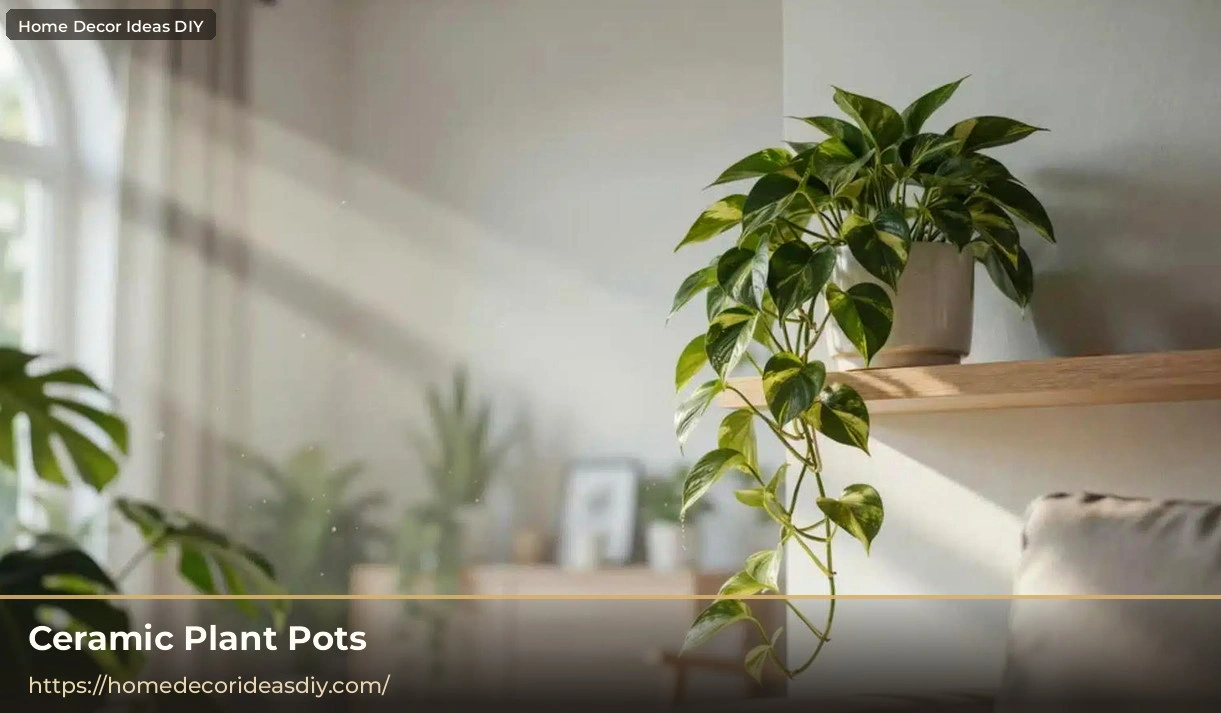
- Pothos almost anything works; ceramic looks better
- Calathea drama, but the moisture hold helps in heated rooms
- Ferns on a bathroom shelf, where the air is already wet
Unglazed terracotta, which is still ceramic, is better for the dry side: succulents, cacti, rosemary if you keep a pot on a sunny sill.
Snake plants sit in the middle. They forgive both. I keep one in a matte off-white cylinder because the leaves are the point and the pot should disappear. Same idea as picking plants for home decor by the window first, not by the leaf shape on the label.
Outdoor use is a different problem. Water in the clay expands when it freezes. Pots crack. Bring ceramic plant pots inside before the first hard frost, or treat them as seasonal and accept the risk. Covered patios in mild winters are usually fine. An exposed balcony in a freeze-thaw city is not.
Glaze, colour, and the matching-set problem
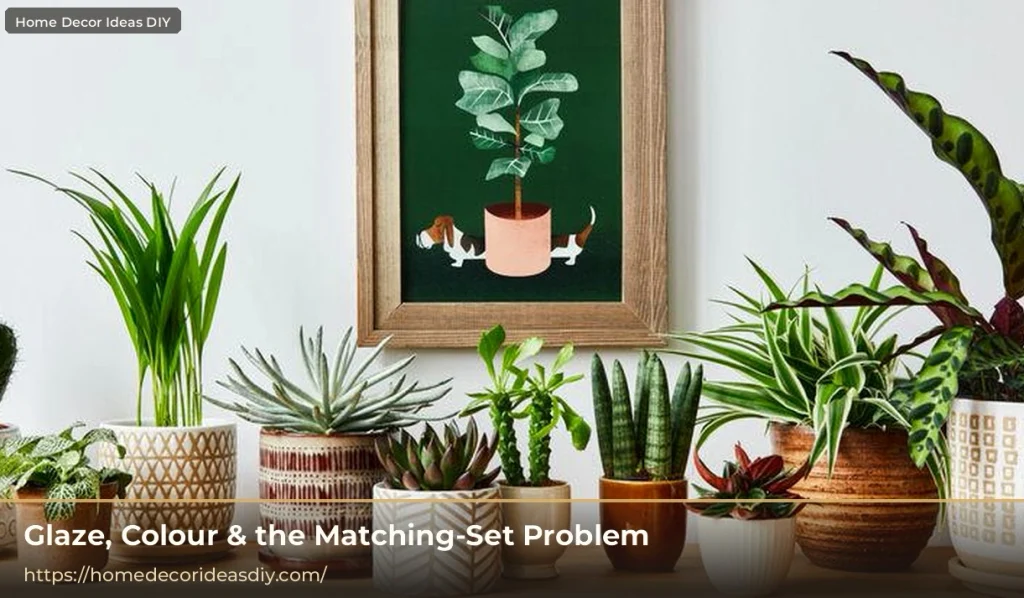
Gloss reads modern and a bit sharp. Matte reads calmer. Speckle and reactive glazes hide water marks. White shows algae on the saucer. Dark green and clay tones hide everything and sit quietly next to wood.
I do not match pots across a room. Two of the same is enough. A third in the same glaze starts looking like a shop display. Mix a glazed cylinder with a rough terracotta and one older piece and the shelf looks collected. That is the same argument as not buying three identical decorative vases because they looked good as a trio under shop lighting.
An empty ceramic can works. A wide bowl with nothing in it, or a few dried stems, still earns the spot if the shape is good. I said the same thing about showpieces one object with space around it does more than three objects sharing a surface.
Where I actually put them
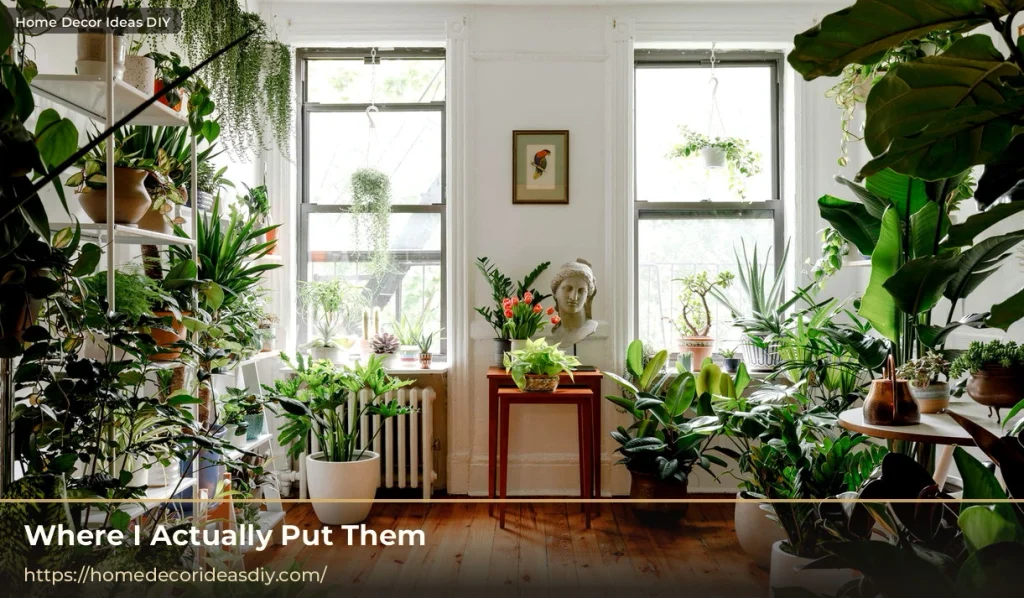
Entry floor, one tall pot, slightly off the door swing so nobody kicks it.
Beside a mirror, because the plant doubles and the pot does too. That only works if the mirror is showing something worth repeating the point of mirror placement, not a blank wall.
A pair on a low bookcase, different heights, not centred like a mantel display.
Kitchen sill only if the pot is small and the saucer is honest. Steam and splashes mark cheap glaze.
I do not line them up by colour along a windowsill. It photographs well. In real life it looks like a product shot you forgot to edit.
Buying ceramic plant pots without wasting the money
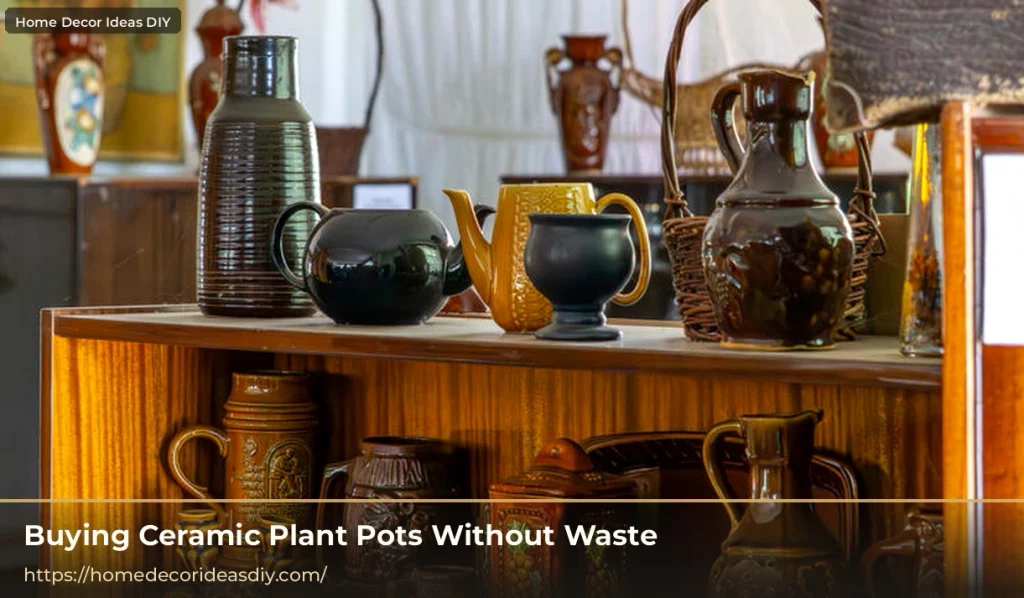
Thrift and charity shops are still the cheapest education. Look at the base. A trimmed foot ring and a bit of kiln grit usually means it was thrown, not poured. A faint seam down two sides usually means slip-cast. Neither is automatically bad. Handmade costs more and feels different in the hand, which is the whole point of spotting handmade home decor.
Check for a hole. Check that the saucer isn’t missing and isn’t a different colour. Tap it. A dull thud can mean a hairline crack you cannot see yet.
Old pieces from antique or thrift runs often have better weight than new budget ceramic. Chips on an old rim look like wear. The same chip on a pot you bought last Tuesday looks like damage.
If you are buying new, stoneware with a drainage hole and a matching saucer is the least annoying option. IKEA’s glazed pots are fine if you accept you may need to drill, or use them as cachepots. The expensive ones justify themselves only when the glaze and the weight are actually better, not when the brand name is louder.
A short history of the flowerpot, if you want the background rather than the shopping list, sits on Wikipedia. Useful for one thing: people have argued about clay containers for a long time. Drainage was already the issue.
Mistakes that cost me pots
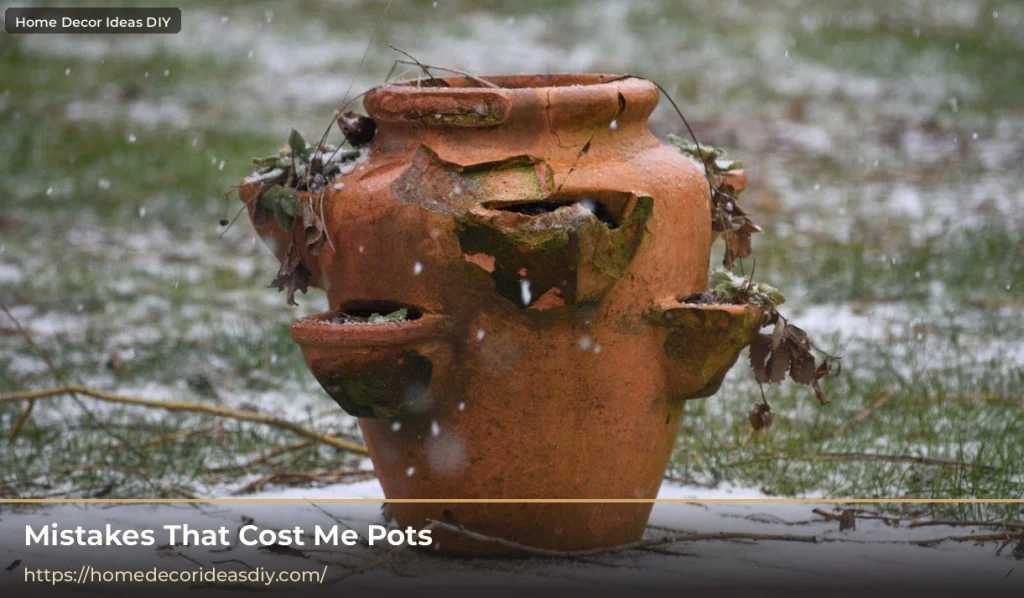
Planting straight into a decorative pot with no hole, then wondering why the soil stayed wet.
Going up three sizes because the big pot was on offer.
Leaving ceramic outside through a cold snap. Two cracks. Both my fault.
Buying the set. Used two. The third still lives under the sink.
Washing a glazed pot in the dishwasher “just to see”. The gold rim came off. Do not do that.
Putting a heavy pot on a veneer shelf that was never meant to take it. The sag is still there.
Frequently asked questions
Are ceramic plant pots good for indoor plants?
Yes, if they drain or you use them as cachepots. Glazed ceramic holds moisture, which most common houseplants prefer in a heated room. Unglazed terracotta dries faster and suits the dry-soil crowd.
Do they need a saucer?
If there is a hole, yes. Otherwise, you are watering the furniture.
Ceramic or terracotta?
Terracotta if you overwater. Ceramic if you want colour and a slower dry-down. Both are ceramic in the broad sense. The glaze is the difference you feel week to week.
Can I leave them outside all year?
Only if your winter doesn’t freeze; otherwise, bring them in. The pot will not thank you for the experiment.
Do they have to have a plant in them?
No. A good ceramic shape works empty. I have two that have never had soil in them. They still do the job a jug or a vase would do, without looking like I ran out of flowers.
If you only change one thing after reading this, take the plant out of the nursery pot. Put it in ceramic that either drains or hides the plastic. The leaf does half the work. The pot does the other half, and people notice the second half more than they think.